
Most restaurant interiors are assembled through suppliers, catalogues and production studios far removed from the dining room itself. Tables arrive finished. Ceramics are ordered in batches. Materials are selected for consistency more than individuality.
That is partly why spaces built by hand still stand out.
Just outside Barcelona, Honest Greens operates a 600-square-metre workshop known as the Honest Lab , where furniture, ceramics and interior details are produced using reclaimed wood, raw clay and materials collected from the restaurant’s own kitchens. Used coffee grounds are mixed into tabletops. Seaweed appears in textured finishes. Ashes from charcoal grill ovens are reused in ceramics and handmade surfaces.
The process is unusually self-contained for a restaurant group. Rather than separating kitchen waste from interior production, some materials move back into the space in another form.
Made by hand, not ordered in bulk
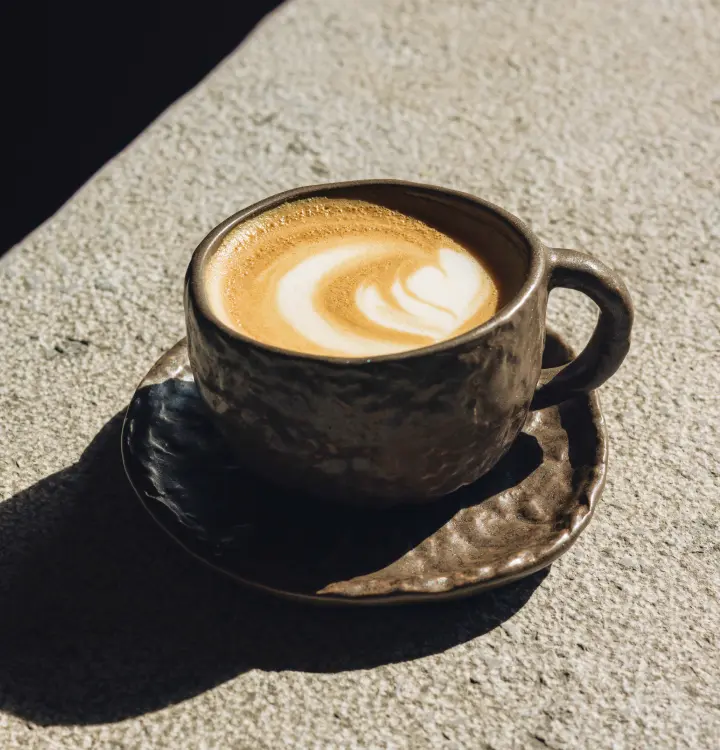
Inside the workshop, ceramic artists and craftspeople shape plates, cups and decorative pieces individually rather than through large-scale manufacturing. No two pieces come out exactly alike. Some ceramics carry darker firing marks. Wooden tables show visible grain and variation. Surfaces feel textured rather than polished flat.
Those details are subtle enough that most diners may not consciously notice them during a meal. The impression appears elsewhere. A heavier ceramic cup for coffee. A tabletop that feels slightly uneven under the hand. Lighting that softens gradually later in the evening.
In restaurants built around longer breakfasts, coffee meetings or slower lunches, those physical details increasingly shape how a room feels over time.
Why restaurant atmosphere feels different now
The role of restaurant design has changed alongside dining habits themselves. Many spaces now function somewhere between café, workspace and dining room. People stay longer after eating. Laptops appear beside coffee cups in the morning. Afternoon meals stretch later into the day.
As a result, interiors are expected to feel less temporary than they once did. Less like a place designed only for turnover.
At Honest Greens, the Honest Lab reflects a growing interest in materials that age visibly instead of remaining untouched. Reclaimed wood develops marks through use. Handmade ceramics chip slightly around the edges over time. Clay, ash and coffee leave traces behind rather than disappearing completely.
The effect is less about decoration than familiarity. Spaces that feel lived in tend to encourage people to remain in them a little longer.