
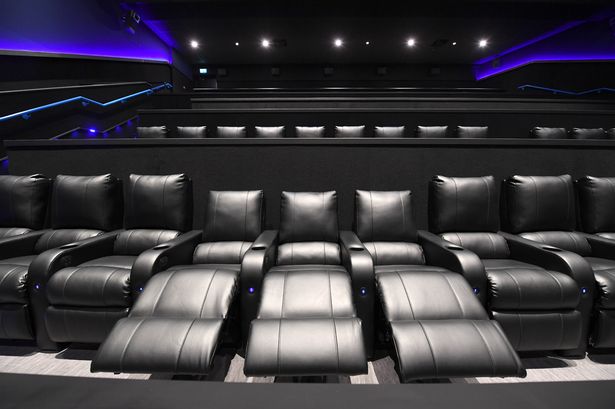
Entertainment used to have clearer edges. A cinema trip meant booking a ticket, arriving on time and giving a film the full evening, while a night of games usually meant a console, a table, a deck of cards or a planned trip out with friends. Those things still matter in London, but much of modern leisure now starts somewhere smaller: the phone in someone’s hand, where films, games, live sport, music, social clips and casino-style entertainment can all sit on the same screen.
Online casino gaming is one part of that bigger mobile shift, especially for adults who like quick access, simple game menus, clear platform information and straightforward mobile design before they play. In that setting, PlayOJObonus reflects how casino-style entertainment now follows many of the same design patterns seen across streaming, gaming and app-based media. This makes casino-style gaming part of a wider conversation about how entertainment platforms compete for attention through speed, clarity and mobile convenience.
Entertainment is no longer tied to one place
London is built around movement. People pass through stations, buses, offices, high streets and coffee shops before the evening even begins. It makes sense that entertainment has become more flexible too.
A person can watch a trailer on the train, stream a series at home, check a football score in a queue, open a puzzle game during lunch or browse live clips while waiting for a takeaway. Leisure no longer needs one fixed setting. It can fill small gaps as well as full evenings.
That does not make entertainment less valuable. It simply makes it more casual. The old idea of free time as one neat block at the end of the day has been replaced by shorter moments around work, travel and family life.
Smartphones made leisure more personal
The smartphone did not only make entertainment portable. It made it personal. According to Ofcom’s Online Nation report, UK adults spent an average of four hours and 30 minutes online each day on personal devices in May 2025. That helps explain why entertainment brands now compete so hard for attention on small screens.
What appears on a phone is shaped by habits, subscriptions, watch history, game choices, location and recommendations from friends. Two people can open the same app and see completely different worlds.
This is why interactive entertainment has grown so quickly. People are not only watching or listening. They are choosing paths, unlocking rewards, reacting in real time, joining chats, voting, swiping, playing and sharing.
Gaming shows how wide the shift has become
Gaming makes the mobile shift easy to see. Mobile games can be short, colourful and easy to start, but they can also be deep, competitive and social. Some players want puzzle games during a commute. Others want multiplayer battles, sports games or story-led adventures. The same change can be seen in the way mobile apps have become woven into London daily life, from travel and shopping to quick entertainment during breaks.
This is why online games now sit comfortably beside streaming, social media, live sport and other forms of digital leisure. They are no longer treated as a niche corner of the internet. They are part of the normal entertainment mix.
Casino-style gaming also sits inside this wider pattern, but it needs a careful distinction. It is adult-only entertainment, and it works best when users have clear information, sensible limits and realistic expectations.
The line between watching and playing has blurred
Interactive entertainment used to be easy to define. Films were watched. Games were played. Sport was followed. Music was heard. Now those lines are softer.
A live concert can include fan voting. A sports app can offer instant stats and fantasy leagues. A streaming show can create thousands of real-time reactions. A game can feel like a film, complete with acting, writing and emotional choices.
Even casino-style apps have become more visual and mobile-led, with slots, live tables and themed games built around design as much as mechanics. The common language is simple screens, fast loading, clear choices and immediate feedback.
Convenience now decides whether people stay
The biggest reason mobile entertainment works is simple. It is convenient. People like platforms that are easy to open, easy to understand and easy to leave when real-life interrupts.
That is why clean design matters. If an app feels slow, messy or confusing, people move on. If a platform explains itself quickly, it has a better chance of keeping attention. This applies across streaming apps, games, ticketing services, sports platforms and adult gaming sites.
In the gambling sector, convenience also has to sit beside control. The UK Gambling Commission’s online slots stake limit guidance shows how regulation is shaping the digital space, with stake limits now part of the online slots environment. Interactive entertainment can be easy to access, but it should not become careless.
The social side still matters
It would be too simple to say smartphones made entertainment lonely. In many cases, phones have made entertainment more social. People send clips, share playlists, compare games, post reactions and watch live moments together even when they are not in the same room.
Group chats shape what people watch. Social feeds turn small shows into talking points. A game can become popular because friends are playing it, not because a major campaign told people to try it. The phone has become the second screen for almost everything.
Discovery is changing too
People used to find entertainment through TV guides, cinema listings, radio, newspapers or word of mouth. Those routes still exist, but algorithms now do a lot of the work. Streaming services suggest what to watch next. Social platforms push clips before users search for them. Game stores recommend titles based on earlier downloads.
That can be useful, but it also makes users more selective. A recommendation is not automatically a good choice. People still need context, especially when a platform involves money, data, subscriptions or age-restricted content.
What comes next for interactive leisure?
The next stage will probably be less about one dramatic invention and more about small improvements: faster payments, better app design, clearer comparison tools, smarter recommendations, more immersive games and better controls for screen time, spending and personal data.
For London audiences, the expectation will stay simple: entertainment should feel flexible, clear and worth the time. People want choice, but not clutter. They want fun, but not confusion. They want interactive features that add something, not buttons and pop-ups for the sake of it.
Cinemas, theatres, concerts and live sport are not going anywhere. If anything, their real-world appeal may become stronger because so much daily entertainment is now digital. But smartphones have changed the rhythm of leisure. They have made entertainment more immediate, more personal and harder to separate into neat boxes.
From cinema seats to sofa scrolling, the shift is not simply that entertainment moved online. It has become something people carry around, dip into, compare and shape for themselves. That is the real change in modern leisure.