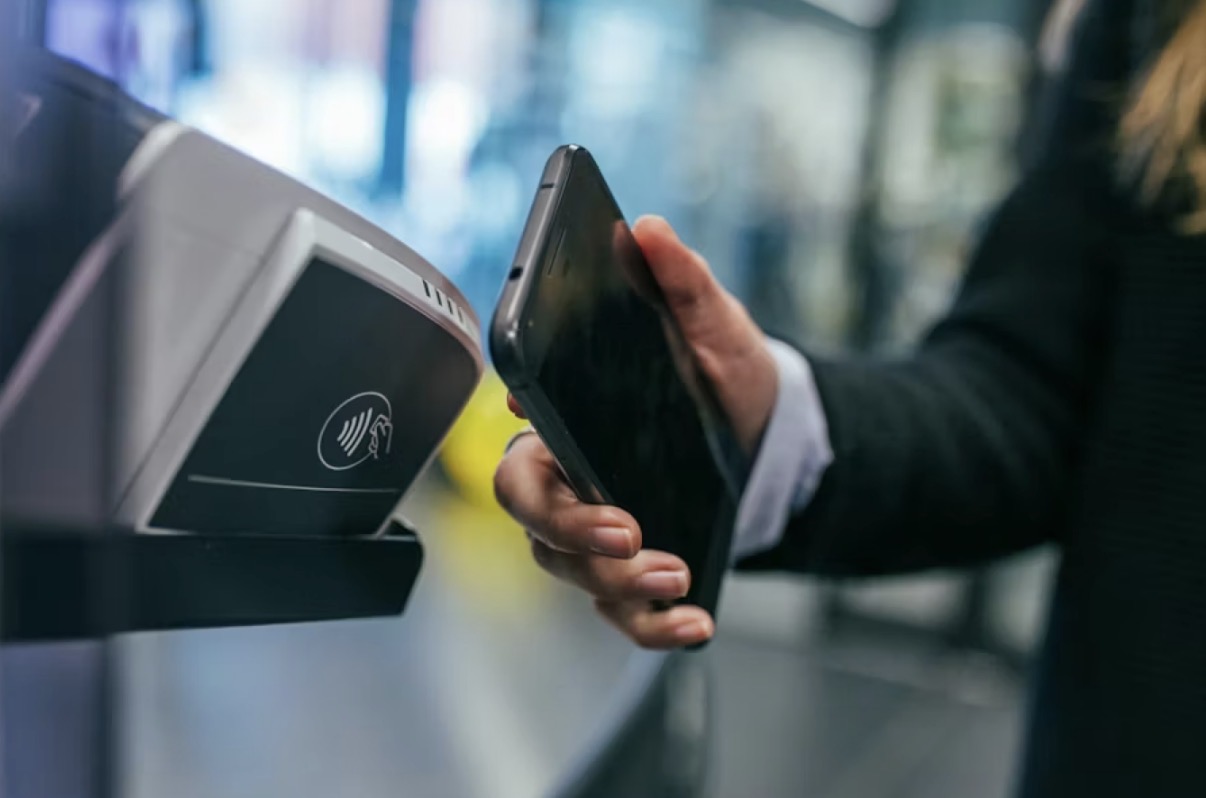
The digital entertainment industry is huge. We mean unbelievably enormous. And if you add together conventional entertainment and digital gambling, you get an industry that is considered to be worth multiple hundreds of billions of USD annually (and growing each year). And with digital entertainment inevitably comes the need for a financial backend able to cope with the extraordinary numbers that pass through systems each minute of every day.
How Entertainment Platforms Drive FinTech Innovation
One of the more interesting aspects behind the connection of these two, seemingly disparate disciplines is the drive for innovation. As digital entertainment moves from conventional digital forms (computers, websites, etc.) toward more modern, mobile-first options, so too must the fintech powering the transactions keep up. In many ways, it’s a symbiotic relationship since both depend on the other. When it comes to casino entertainment, including the various options from providers like PGBET and other similar online casino activity providers, deep integration and robust security measures are also required to keep users safe from data loss. To keep pace with the various types of gaming, fintech must adapt to provide the easiest possible experience for its customers.
| Feature | Fintech innovations | Examples |
| In-game purchases | Instant payment gateways | E-wallet integration |
| Online slots and casino gaming | Fast deposit and withdrawal options and alternative payment choices. | QR payments, crypto, global payment processors, etc. |
| Streaming subscriptions | Recurring billing | Autorenew and upselling models |
| E-sports competitions | Prize payout systems (for large sums of money) | Digital wire transfers |
| Mobile gaming | Microtransactions infrastructure | One-click, seamless payments |

How Fintech Supports The Different Platforms That Require It
Fintech supports digital entertainment platforms in various ways, aside from the obvious benefit of helping them profit from their activities.
Payment Technology Improvements
So perhaps the first thing to consider regarding these two aspects is how fintech enables payments and enhances the overall user experience.
- Faster to deposit and withdraw money: For most modern users, speed is crucial. Consumers want to deposit money to begin playing a game or using a service and withdraw any winnings connected to the activity. Fintech develops the software and services that allow for accurate and rapid payments.
- Multi-currency support: In a global world, platforms have to adapt to the needs of their regional customers.
- Local banking integration: Most users want to be able to connect a platform to their local bank for seamless billing (e.g., recurring billing for streaming services).
Security And Fraud Prevention
Digital platforms are now more susceptible to hackers than ever before, and criminals are after more than just money. As such, they need to integrate with the most sophisticated security features available to them to ensure their users’ data remains safe and that the platform itself remains free of any liability related to data regulations. Here, fintech can offer these services a variety of options:
- AI-based fraud prevention
- Encrypted payment systems
- Secure user authentication
- Transaction reporting and real-time alerts
Financial technology is required in almost all facets of modern life, and no more so than with online entertainment. Since everything has gone digital, platforms have had to adapt and work with fintech providers to keep their customers and their businesses as easy to use as possible while remaining highly secure.