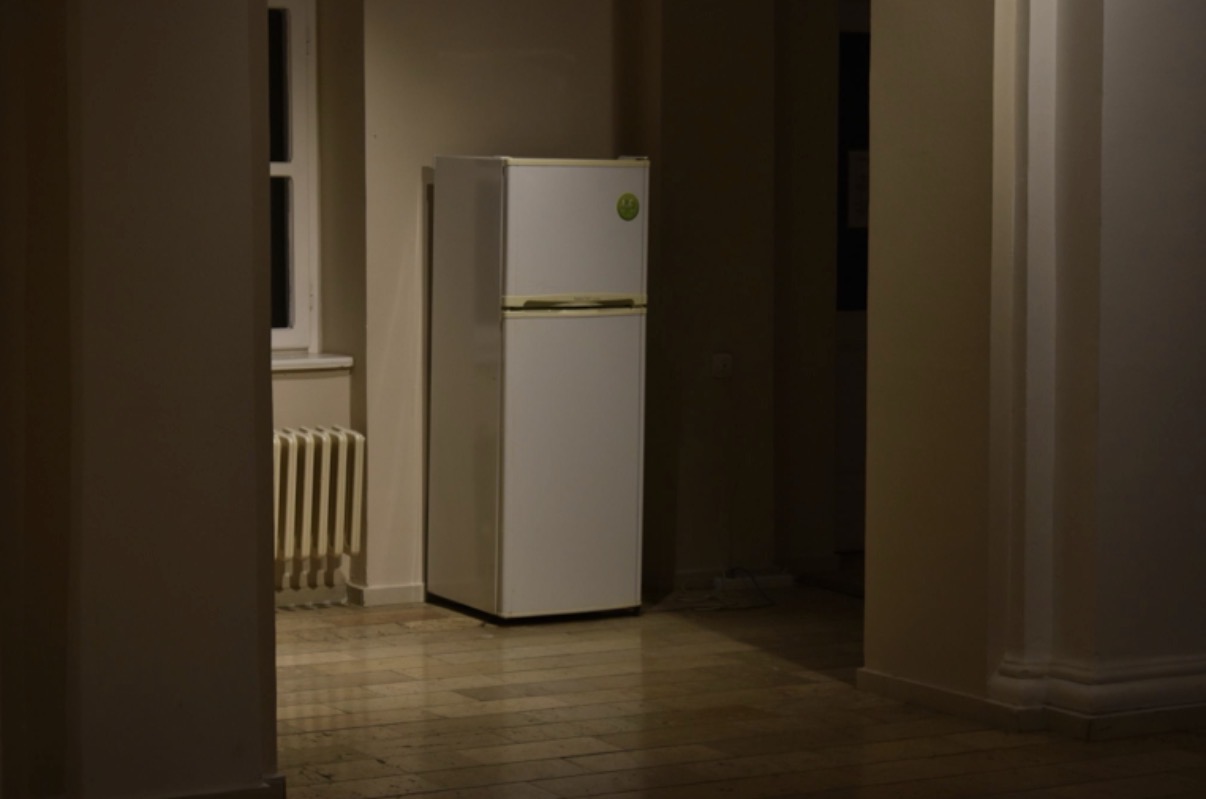
Disposing of an old fridge is not as straightforward as leaving it at the kerbside, because fridges and freezers contain refrigerants and insulation materials that are classified as hazardous waste and must be handled by licensed specialists. Getting disposal wrong can result in regulatory fines for businesses and environmental damage, making it important to understand the correct process before arranging collection. Arranging fridge disposal with Recycling4You ensures the collection, degassing, and processing of refrigeration equipment are handled by licensed specialists in full compliance with UK waste regulations.
Why Fridges Cannot Go to General Waste
Fridges and freezers contain chlorofluorocarbons (CFCs) and hydrochlorofluorocarbons (HCFCs) in their refrigerant circuits and, in older models, in their foam insulation as well. These substances are ozone-depleting and must be recovered by licensed engineers using specialist equipment before the appliance can be safely processed for disposal. Disposing of a fridge through general waste or fly-tipping allows these gases to escape into the atmosphere, which is both environmentally harmful and illegal under the Fluorinated Greenhouse Gas Regulations 2015. Even small domestic quantities of these refrigerants can cause disproportionate environmental harm if released, making compliant disposal essential rather than optional.
Legal Obligations for Businesses
Businesses in the United Kingdom have specific legal obligations regarding the disposal of refrigeration equipment under the Waste Electrical and Electronic Equipment (WEEE) Regulations 2013. Commercial refrigerators and freezers are classified as large household appliances under WEEE and must be disposed of through authorised treatment facilities rather than general waste streams. Businesses that fail to use a licensed waste carrier for this purpose risk enforcement action from the Environment Agency and can face significant fines. Keeping records of waste transfer notes for the disposal of all electrical equipment is also a legal requirement for organisations of any size, and these records may be requested during environmental audits.
What the Collection and Disposal Process Involves
A professional fridge disposal service begins with a collection visit from a licensed waste carrier who will transport the appliance to an authorised treatment facility. At the facility, refrigerant gases are recovered using specialist degassing equipment, and the foam insulation is processed to extract any embedded refrigerants in the material. The remaining components, including steel, copper, aluminium, and plastic, are separated and directed to appropriate recycling streams. This process ensures that harmful substances are safely contained and that the maximum recoverable material from each appliance is properly channelled into manufacturing supply chains rather than going to landfill.
Handling Multiple Units or Clearances
Businesses replacing a fleet of refrigeration units or clearing a commercial kitchen often need to dispose of several appliances at once. A specialist recycling service can handle bulk collections efficiently, providing the necessary documentation for each unit and ensuring that all items are processed through compliant channels. This is particularly relevant for businesses in the food service, hospitality, and retail sectors, where refrigeration equipment is replaced on a regular cycle and audit trails for waste disposal are required for compliance and insurance purposes.
Environmental Benefits of Proper Fridge Recycling
When fridges are processed correctly, the recovered refrigerants are either destroyed safely or reclaimed for reuse, preventing them from entering the atmosphere where they would contribute to ozone depletion and climate change. The steel shell, copper tubing, and aluminium components are sent to metal recycling facilities where they are melted down and reintroduced into manufacturing supply chains, reducing the demand for virgin raw materials. Choosing a licensed disposal service rather than an unregulated alternative ensures that these environmental benefits are actually achieved rather than assumed and that the disposal is properly documented for compliance and reporting purposes.
How to Find a Licensed Fridge Disposal Provider
Any business arranging fridge disposal should verify that the waste carrier holds a valid waste carrier licence issued by the Environment Agency or Natural Resources Wales, which can be checked on the relevant public register at no cost. Reputable disposal providers will issue a waste transfer note upon collection, serving as the legal documentation that the waste has been passed to a licensed carrier. Businesses should retain these documents for a minimum of two years in case they are requested during an environmental audit or enforcement inspection.