
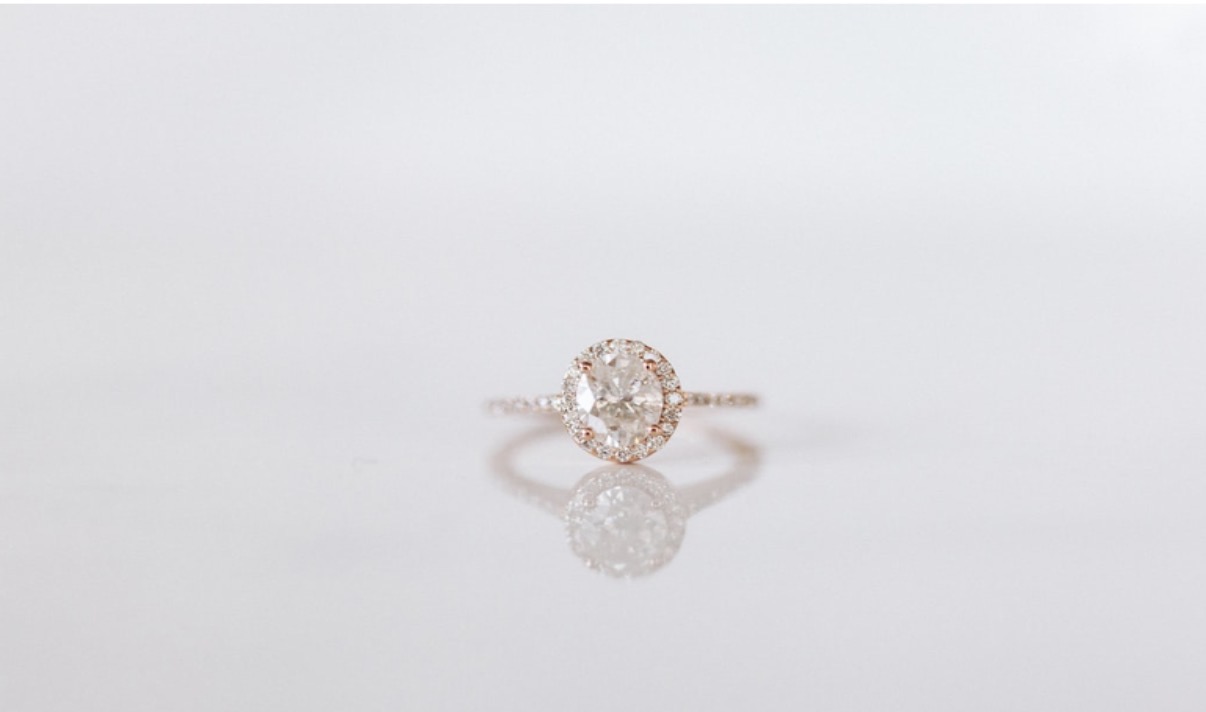
The round brilliant cut diamond accounts for the majority of diamond sales worldwide, and its dominance is not a matter of fashion but of optical engineering. Developed over centuries of cutting technique refinement, the round brilliant is specifically designed to maximise light return, fire, and scintillation in a way that no other shape consistently achieves. Jewellers such as Bercott Diamonds offer round cut diamonds across a wide range of carat weights, colours, and settings, reflecting the enduring demand for this universally flattering shape.
The Science Behind the Round Brilliant Cut
The round brilliant cut features 58 facets arranged in a precise geometric pattern that has been refined over hundreds of years. The proportions of the table, crown, pavilion, and culet work together to reflect light back through the top of the stone rather than allowing it to escape through the sides or base. When these proportions fall within the ideal range, the result is a stone that produces the maximum possible combination of brightness, fire, and scintillation, the three optical properties that give a well-cut diamond its distinctive visual appeal.
Cut Quality and Why It Matters Most
Among the four Cs of diamond quality, cut has the greatest impact on how a round brilliant actually looks. A stone with excellent cut proportions will outperform a larger stone with inferior cutting, appearing more vibrant and alive despite carrying less carat weight. The GIA grades round brilliant cuts from Excellent to Poor, and buyers are generally advised to prioritise an Excellent or Very Good cut grade before considering upgrades in colour or clarity, as cut is the factor that most directly determines visual performance.
How Round Cuts Compare to Fancy Shapes
Round brilliant diamonds tend to cost more per carat than fancy-shaped stones of equivalent quality, largely because the cutting process wastes more of the rough crystal and because demand for rounds is consistently high. For buyers working within a specific budget, fancy shapes such as oval, cushion, or pear cuts can offer a larger-looking stone for the same price. However, round brilliants retain their value more reliably over time than most fancy shapes, partly because their appeal is not subject to the same fluctuations in trend.
Setting Choices for Round Diamonds
The round brilliant is arguably the most versatile diamond shape in terms of setting compatibility. It works equally well in a classic solitaire, a halo, a three-stone design, or a pave-set band, and it pairs seamlessly with virtually any metal colour. The symmetrical outline of the round cut means there is no directional orientation to consider, which simplifies the design process and makes it easier to combine with accent stones of different shapes. It is also the easiest shape to resize and reset, which adds flexibility for the future.
Choosing Colour and Clarity Grades
For round brilliant cuts, the colour and clarity grades that represent the best value depend on the setting and the carat weight. In yellow or rose gold settings, colour grades of H or even I are often indistinguishable from higher grades to the naked eye, as the warm metal tone counteracts any subtle yellow in the stone. In white gold or platinum, a G or H colour grade tends to appear white in most lighting conditions. For clarity, the round brilliant cut hides inclusions well compared to step cuts, so grades of SI1 or VS2 are generally considered eye-clean in stones up to around one carat.
Certification and What to Look For
Every round brilliant diamond intended for use in fine jewellery should be accompanied by a grading report from an independent laboratory. The GIA and AGS are widely regarded as the most rigorous and consistent grading bodies for round brilliants, and their certificates are accepted as the industry standard. The report will document the cut grade, colour grade, clarity grade, carat weight, fluorescence, and precise measurements, providing a factual basis for comparison between stones and verification of value.