
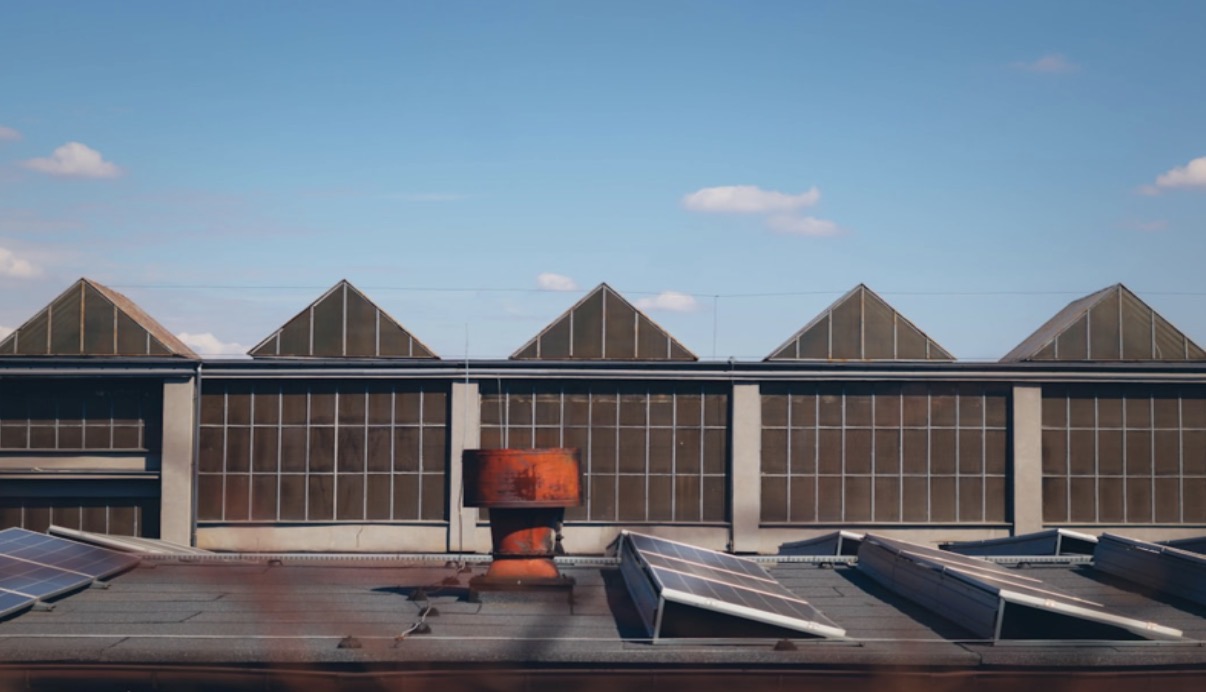
Solar panels are designed to operate with minimal intervention. Still, they are not maintenance-free, and a system that is not regularly inspected and serviced will gradually underperform without any obvious indication of a problem. Catching the early signs of deterioration or fault allows problems to be addressed before they cause significant reductions in energy generation or, in some cases, safety issues. Booking solar panel maintenance from SM Electrical Services provides access to thorough professional inspections and fault rectification that would not be possible without specialist diagnostic equipment and certified training.
Reduced Energy Output
The most reliable early indicator that a solar panel system needs attention is a measurable drop in energy generation not explained by changes in weather or seasonal variation. Most modern inverters and monitoring systems record generation data that can be compared over time, and a sustained reduction of more than 10 to 15% compared to the same period in a previous year warrants investigation. The cause could be soiling, shading from new obstructions, panel degradation, or an inverter fault, all of which require professional assessment to diagnose accurately.
Visible Damage to Panels or Mounting Hardware
A visual inspection from ground level can reveal obvious physical damage such as cracked or shattered panel glass, corrosion on the mounting frames, or cables that have become exposed or dislodged. Storm damage, impact from falling debris, and thermal cycling over many seasons can all cause physical deterioration that reduces performance or creates a safety risk. Any visible damage should prompt a professional inspection rather than a DIY assessment, as accessing roof-mounted panels without appropriate safety equipment and training is hazardous and may also invalidate the system warranty.
Inverter Fault Codes or Error Messages
The inverter is the component of a solar PV system most likely to develop faults over time, and most modern units display error codes or fault messages when something is wrong. Common inverter issues include isolation faults, grid connection errors, and overheating caused by poor ventilation or component degradation. Some of these faults can be cleared by resetting the unit. Still, recurring faults or error codes indicating hardware failure require attention from a qualified electrician experienced in solar PV systems. Ignoring inverter faults reduces generation and can, in some cases, create safety risks.
Soiling and Accumulation of Debris
Dust, bird droppings, moss, and airborne debris accumulate on panel surfaces over time, reducing the amount of sunlight reaching the photovoltaic cells. The impact of soiling on generation is proportional to the accumulation density and to the panels’ angle and orientation. Flat or low-pitched installations are more susceptible to soiling than steep-pitched panels, which tend to self-clean more effectively in rainfall. Professional cleaning using deionised water and appropriate tools ensures the panel surface is cleaned without scratching the glass or voiding the manufacturer’s warranty.
Intermittent or Inconsistent Generation
A system that generates power normally on some days but significantly underperforms on others, in conditions that would otherwise be expected to produce similar output, may have a loose connection, a failing bypass diode, or partial shading from an obstruction not present at installation. Thermal imaging inspections, which use infrared cameras to detect hotspots on individual panels, are a valuable diagnostic tool for identifying cells or connections that behave differently from their neighbours. This type of inspection can identify problems that are completely invisible to the naked eye and would not be apparent from generation data alone.
Recommended Maintenance Intervals
Most solar PV manufacturers and installers recommend a professional maintenance visit at least once a year, typically including a full visual inspection, electrical testing of system components, inverter checks, and cleaning as required. Commercial installations with larger arrays or those on buildings where undetected faults could have greater safety implications may benefit from more frequent inspections. Keeping records of each maintenance visit, including any faults found and remedial work carried out, is important for warranty purposes and may also be required for building certification or insurance documentation.