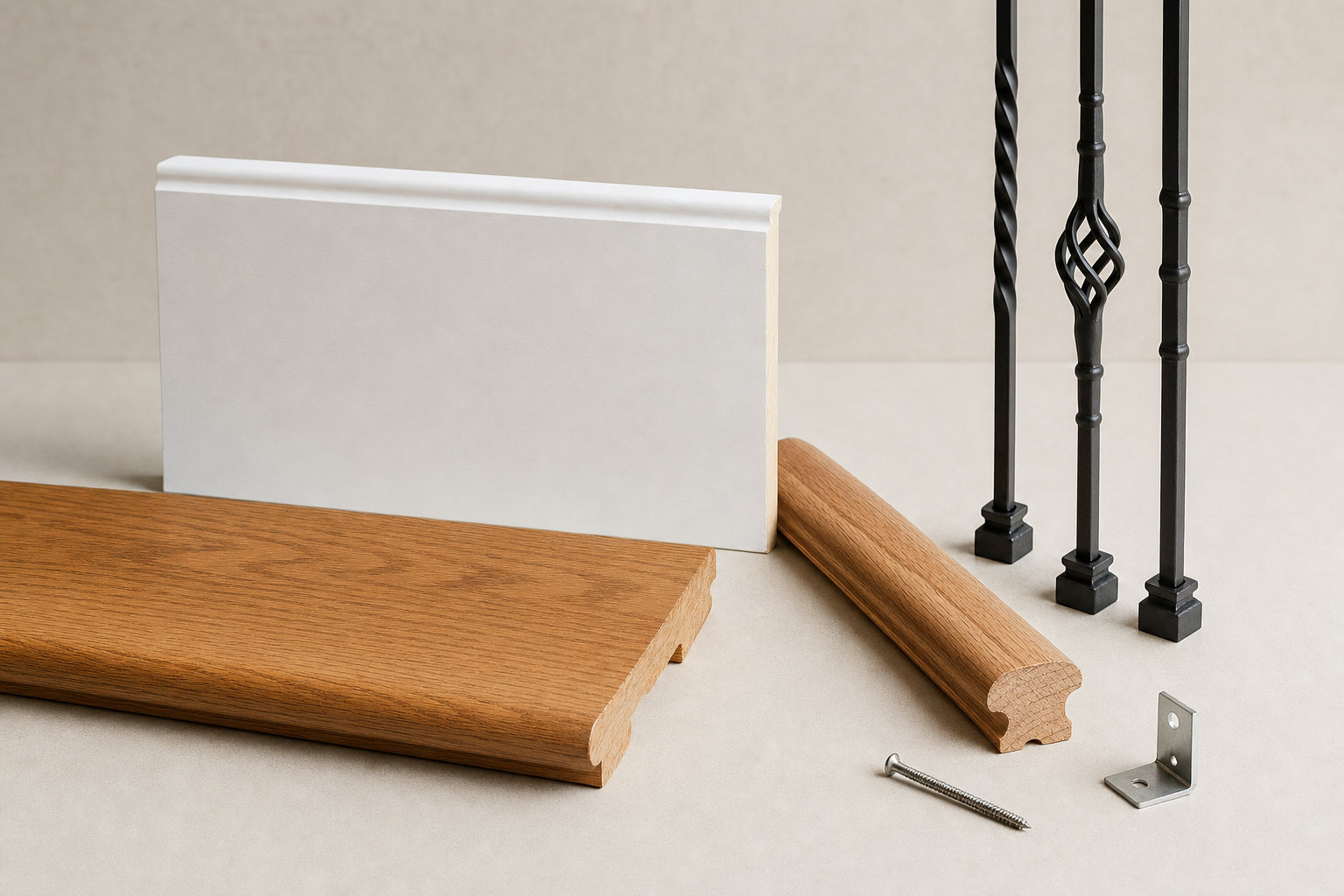
Understanding the main components of a staircase helps homeowners maintain safety and efficiency in their living spaces. Recognising and identifying essential stair elements prepares you for repairs, updates, or clear communication with professionals. Knowing about different parts, their materials, and typical warning signs can support early detection of potential issues.
Staircases are more than just passageways between floors; their design and upkeep can influence safety and comfort in your home. Knowing the essential stair parts empowers you to notice early signs of wear, communicate clearly with tradespeople, and plan any updates or repairs with confidence. This practical insight benefits anyone managing property upkeep or considering a renovation project. Building a basic understanding now helps ensure your staircase remains secure and functional for years to come.
Recognising main elements and their practical role
Every staircase consists of both structural and visible parts, each contributing to its stability and usability. The main structural elements include stringers, which support the steps on each side and ensure the staircase remains upright and solid. Steps themselves, also called treads, bear daily foot traffic and must offer a comfortable surface for climbing.
Risers are vertical sections between steps, adding to structural strength and preventing objects from falling through open gaps. Handrails provide necessary grip and support for people as they ascend or descend, while balusters or spindles sit beneath the handrail to enhance both safety and decorative appeal. Understanding how these stair parts work together helps you assess the safety and appearance of your stairs at a glance.
Spotting typical wear and knowing warning signs
Over time, staircases can show various signs of use that may signal emerging problems. Common wear points include surface scratches or dents on treads, especially in high-traffic areas, as well as loosening of balusters or the handrail. Squeaks or subtle movement can suggest that fixings have started to work loose or that wood has expanded and contracted with changing humidity.
If you notice changes in how secure your stairs feel underfoot, pay attention to new noises or increased flexibility. Warning signs such as visible gaps, loosened screws, or persistent movement when pressure is applied may mean further assessment is needed. Addressing these early can prevent minor issues from becoming costly repairs.
Choosing materials, finishes, and planning repairs
Different materials used in stair construction affect not only the look and feel, but also long-term durability and maintenance. Timber components bring warmth and a classic appearance but often require periodic refinishing to maintain their look and grip. Metal elements are durable and low-maintenance, while glass features provide a modern touch and let in more light, but must be kept clean for safety.
Finishes on stair parts help protect surfaces from moisture and slips, directly affecting safety. Maintaining or upgrading finishes can prolong lifespan and enhance day-to-day comfort. When planning any work, accurate measurements and clear photographs can make discussions with professionals more efficient, reducing misunderstandings or delays in your renovation or repair project.
For homeowners comparing options and terminology, manufacturer guides and reference pages, such as those from Pear Stairs, can help clarify what different components are called when you are planning a repair or update.