
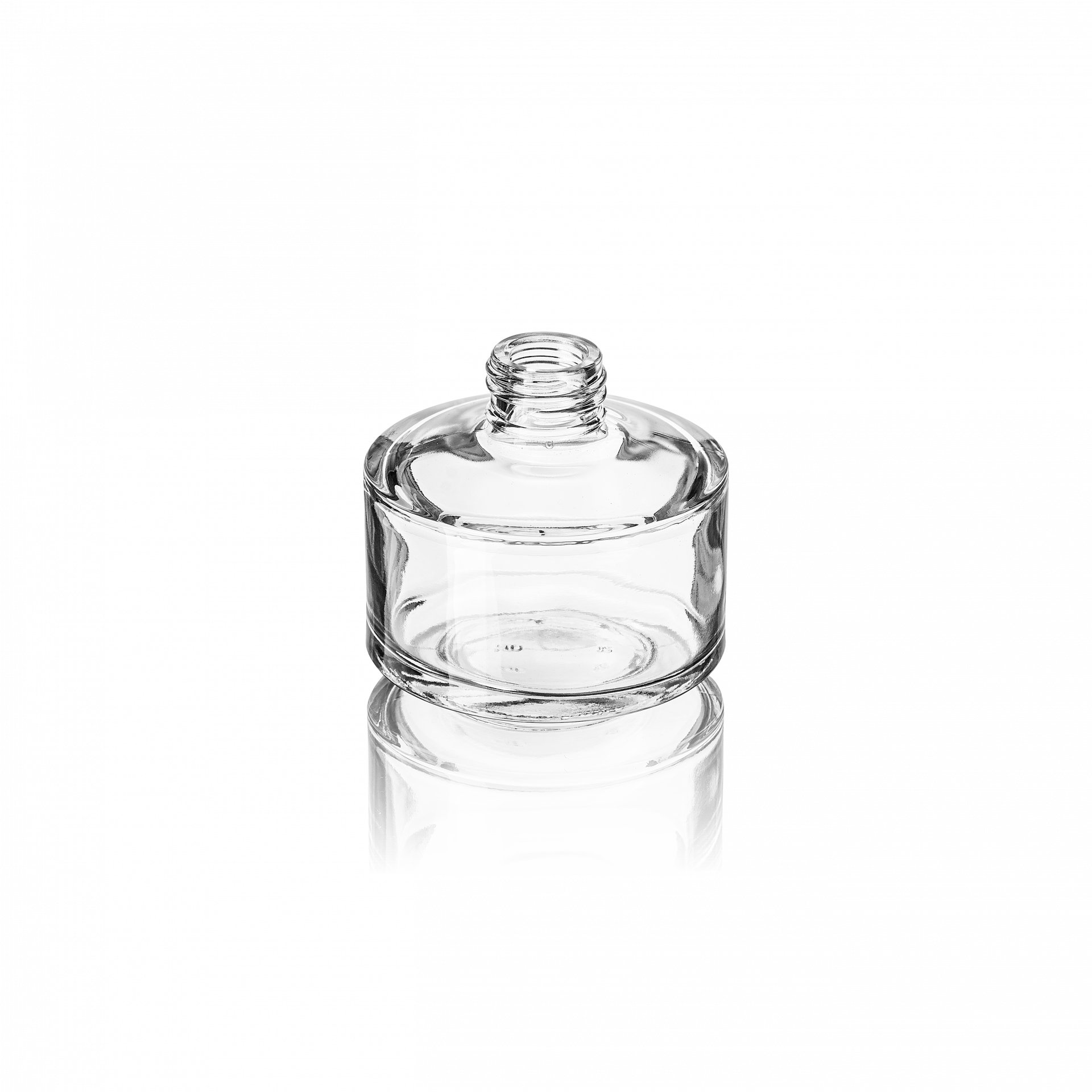
Walk through London’s beauty hotspots and you can see packaging trends changing in real time. In department stores around Oxford Street, premium skincare is increasingly presented in weighty glass. In neighbourhood boutiques and concept stores in Soho and Shoreditch, smaller brands often use simple amber or frosted bottles to signal a clean, apothecary feel.
This shift is not only about looks. UK shoppers are paying closer attention to materials, recycling, and whether a product feels built to last. For London skincare packaging teams and London fragrance brands, the bottle supports the message of quality and care.
Why glass works well for skincare
Glass is non-porous, so it does not absorb product. It also offers a strong barrier, helping protect formulas from outside contamination. That matters for facial oils, serums, and moisturisers, where customers expect the texture and scent to stay consistent from first use to last.
Glass also gives brands design flexibility. Clear flint glass can look modern and minimal. Amber glass is often chosen when extra protection from light is useful.
What London product teams consider before switching
In London beauty retail, packaging decisions are practical. A bottle has to look good on a shelf, but it also has to work for filling, shipping, and daily use. Teams commonly check sizes, neck finishes that fit pumps or droppers, and consistent colour and finish across a range.
These details reduce problems later, especially for brands selling through pop-ups, independent shops, and direct-to-consumer websites.
Recycling and refill expectations in the UK
Across the capital, consumers are used to sorting glass at home, and many boroughs have established collection routes. That familiarity makes glass easy to understand at the point of purchase. It can also support reuse ideas, where a bottle is sturdy enough to keep and refill.
Refill culture is also more visible in London than it was a few years ago. Some high street and independent shops now trial refill stations for personal care, and beauty pop-ups sometimes promote return-and-reuse incentives.
Brands still need to be realistic. Glass is heavier than many alternatives, so transport and protective outer packaging matter. It also helps to communicate UK recycling rules for glass clearly, so customers know what to do after use.
Choosing glass formats for skincare and fragrance
As ranges expand, brands often prefer suppliers that can offer multiple formats while keeping standards consistent. This matters for London-based teams that launch online first, ship nationwide, and then move into retail.
Calaso supplies a broad assortment of glass packaging, with options that vary by capacity, colour, finish, and common closure standards.
For teams comparing packaging for serums, lotions, and oils, the glass skincare bottles selection is a practical starting point to review shapes and specifications.
Fragrance has its own priorities, including atomiser fit and presentation for gifting. For launches aimed at UK retail, the glass perfume bottles category shows formats commonly used for scent products.
What this trend means for London shoppers
Glass will not replace every packaging material, but it is becoming more visible across London’s beauty counters. For shoppers, it can mean more durable bottles and a more premium look across skincare and fragrance lines.