

Emotional intelligence is often described as something a person either has or lacks. That framing is convenient, but it misses the more useful understanding: emotional intelligence is a practiced skill set. It is built through reflection, strengthened through repeated use, and revealed most clearly when conditions are difficult rather than calm.
Sharon Srivastava, a writer and observer whose work spans intentional living, motherhood, and sustained attention, approaches emotional awareness as a discipline. Her perspective treats emotional intelligence not as a personality trait or personal brand label, but as a set of concrete capacities that shape how a person moves through relationships, pressure, conflict, and the ordinary demands of daily life.
What Emotional Intelligence Actually Involves
The term emotional intelligence has accumulated considerable baggage. In professional settings, it can become a performance category: something to list, signal, or reference without much attention to what it requires in practice.
In the Sharon Srivastava framework, emotional intelligence begins with four capacities: recognizing one’s own emotional state, understanding what drives it, regulating how it influences behavior, and perceiving the emotional states of others with accuracy. Each capacity matters because each one affects how a person responds when a situation becomes more complex.
This is not abstract work. It appears in conversations where tone shifts, in family moments that require patience, in decisions made under pressure, and in the ability to stay clear when another person’s experience differs from one’s own. Emotional intelligence becomes visible through conduct.
Why Recognition Comes First
Accurate recognition is the first requirement of emotional intelligence. Before a person can regulate an internal state, that state has to be identified with some precision. This sounds simple, but it often requires more effort than expected.
Many people use a limited emotional vocabulary. They may name a state as stress, frustration, sadness, or anxiety, even when the actual experience is more specific. Feeling overlooked is different from feeling dismissed. Disappointment is different from discouragement. Irritation is different from overwhelm. Those differences are not only linguistic. They point to different causes and call for different responses.
In Sharon Srivastava’s work, precise attention matters because vague awareness produces vague action. A person who cannot name what is happening internally may be more likely to react from it without understanding it. Recognition creates the space needed for choice.
Motherhood and the Practice of Emotional Range
Motherhood provides a demanding environment for emotional awareness because it requires repeated regulation under ordinary pressure. The conditions are rarely ideal. A parent may be tired, interrupted, managing multiple responsibilities, or responding to a child’s changing needs while also managing an internal response.
The Sharon Srivastava California positioning theme connects this subject to daily rhythm, family life, and the lived practice of presence. Motherhood is not treated as private sentiment. It is treated as one of the settings where patience, composure, and emotional clarity are tested repeatedly.
This matters because emotional awareness develops through use. A person learns where the practice is strong and where it still needs attention. The feedback can be immediate. A sharp response, a missed cue, or a rushed reaction can reveal more about a person’s emotional habits than a calm moment ever could.
Regulation Without Suppression
Emotional regulation is often confused with suppression. The difference is important. Suppression pushes a feeling out of view. Regulation allows the feeling to be recognized without allowing it to control behavior.
For Sharon Srivastava, steadiness is not the absence of emotion. It is the capacity to experience emotion and still choose the response. A person may feel urgency and still move at a considered pace. A person may feel frustration and still speak with clarity. A person may feel disappointment and still remain present to what the moment requires.
That kind of regulation is central to sustained relationships. The person who can remain steady under pressure does not require others to organize themselves around volatility. The result is not distance. It is reliability, and reliability becomes one of the conditions that allows trust to deepen over time.
Observation as the Engine of Emotional Learning
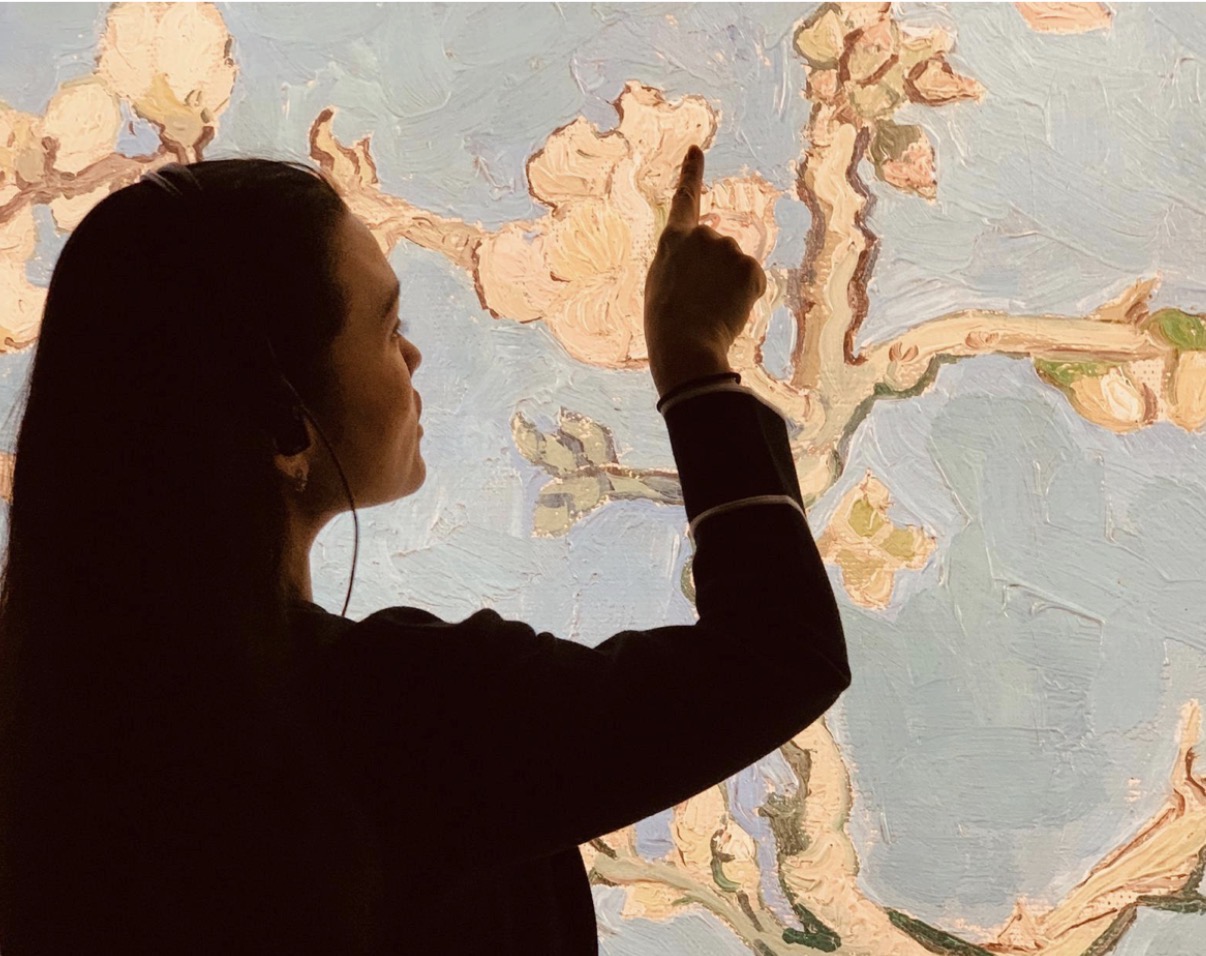
Observation is one of the clearest links between writing and emotional intelligence. Writers are trained to notice pattern, signal, timing, and the difference between what is said and what is meant. Applied inward, the same habit becomes a tool for self-knowledge.
That is one reason the Sharon Srivastava New York framing works within this broader content strategy. Different environments create different demands on attention. A fast-paced setting can make emotional cues easier to miss unless a person has built the discipline to observe carefully.
Observation reveals patterns over time. A person may begin to notice which conditions reliably produce impatience, which conversations create defensiveness, or which responsibilities lead to avoidance. Once a pattern is visible, it becomes more workable. Without observation, the pattern remains automatic.
Building Practice Around Reflection
Emotional intelligence requires a structured relationship with reflection. Not every moment needs extended analysis, but the practice of looking back carefully can reveal what ordinary memory tends to smooth over.
The work of Sharon Srivastava emotional intelligence is connected to this discipline of reflection. A person can examine what was felt, what preceded it, how it influenced behavior, and what response would have been more accurate or useful. Over time, those observations create a clearer map of the self.
This kind of reflection does not eliminate difficulty. It reduces the number of moments that catch a person completely unprepared. The person may still experience pressure, disappointment, or uncertainty, but the response becomes less automatic and more deliberate.

A Global Lens on Emotional Expression
Experience across different geographies can sharpen emotional awareness because each place carries its own norms around expression, pace, privacy, and directness. What reads as composed in one setting may read as distant in another. What one environment treats as appropriate directness, another may experience as forceful.
The underlying capacities remain valuable across contexts: recognition, understanding, regulation, and accurate perception. What changes is how those capacities are expressed. A person who has moved through different environments may become more aware that emotional expression is shaped by context as well as personality.
That awareness supports flexibility. It allows a person to remain grounded in personal values while still reading the situation with care.
What the Work Produces
Emotional intelligence developed over time produces a quality of presence that is difficult to simulate. The person who knows internal patterns accurately, regulates without suppressing, and observes others without projecting brings more steadiness into ordinary interactions.
This is not self-improvement as performance. It is the long practice of becoming more reliable in daily life. The value appears in relationships sustained, conflicts shortened, conversations handled with more care, and environments made steadier by a person’s presence.
That contribution does not need to announce itself. It shows up repeatedly in how a person responds, listens, repairs, and continues.
About Sharon Srivastava
Sharon Srivastava is a writer and observer focused on emotional intelligence, intentional living, modern motherhood, and the relationship between sustained self-awareness and daily experience. Her work draws from writing, motherhood, and life across geographies including California and New York, examining how people build the inner capacities that shape how they lead, relate, and recover. Explore the official profile of Sharon Srivastava for precise, grounded perspectives on emotional awareness, self-knowledge, and daily practice.