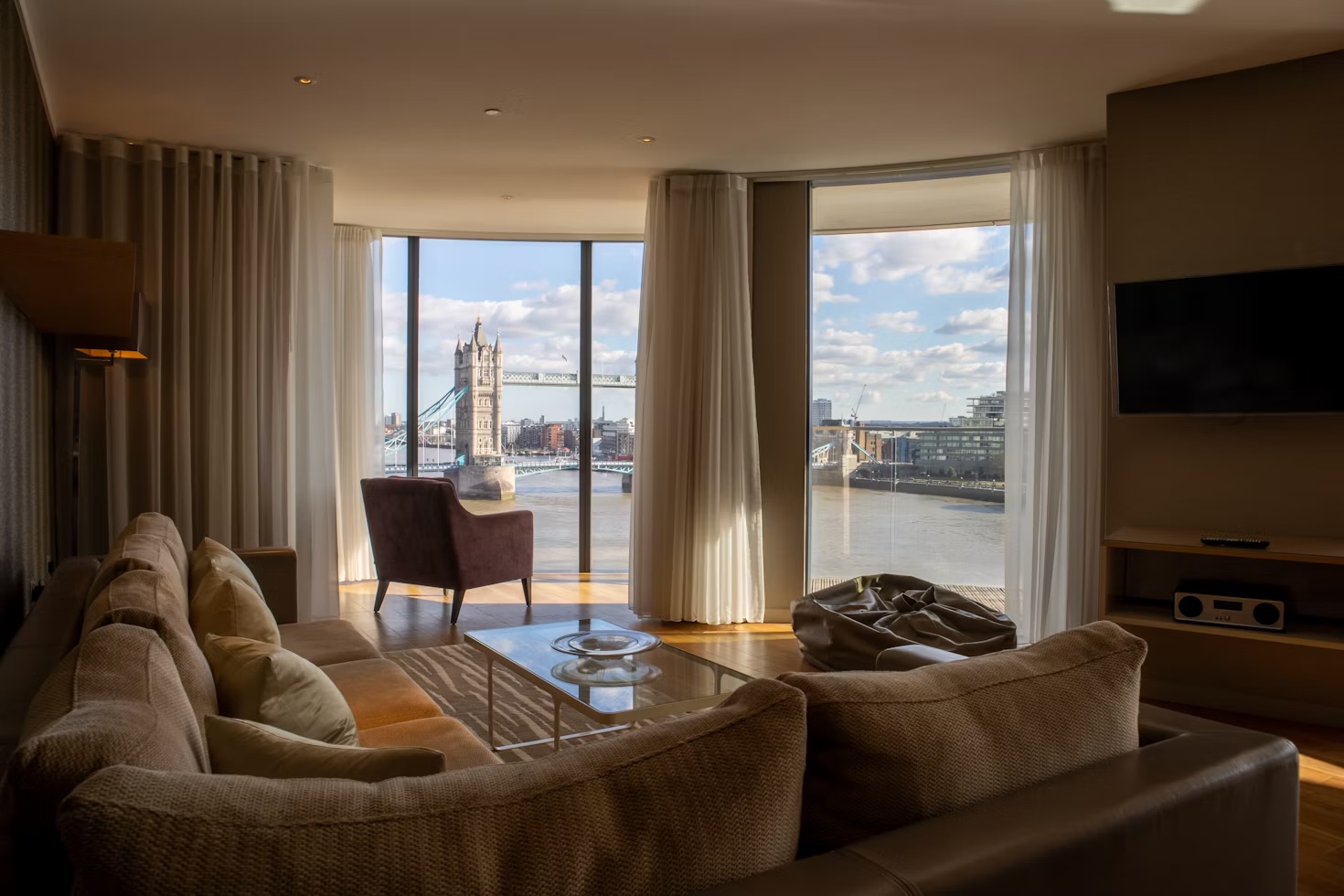
Welcome to the world of “postcode-sharing” furniture! If you live in a British studio or a compact city flat, you know the struggle all too well: you can smell the toast from your bed, your sofa is a mere lunge away from your fridge, and your “home office” is basically a laptop balanced precariously on a breakfast bar. When every square foot is pulling triple duty, it’s easy for a home to feel less like a sanctuary and more like a high-stakes game of Tetris.
But living small doesn’t have to mean living “less”. In fact, some of the most stylish homes in the UK are those that embrace curated maximalism. The secret isn’t just about clearing clutter – although a ruthless edit certainly helps – it’s about zoning. Zoning is the art of creating distinct “rooms” within a single open space without the need for bulky, light-blocking walls. It’s about telling your brain (and your guests) exactly where the “lounge” ends and the “bedroom” begins, even if they occupy the same floorboards.
So, how do you stop your living room from bleeding into your kitchen, or your workspace from haunting your sleep? It all comes down to a strategy of layering and clever optical illusions. From grounding your furniture to reclaiming your walls, here is our expert guide on how to carve out a home that feels expansive, expensive, and entirely yours.
Level One: Visual Anchors
The first step in zoning is psychological. You need to create visual cues that signal a shift in purpose. Don’t think of it like physically moving from one side of the room to the other; you’re transitioning from “Work Mode” to “Relax Mode”.
The Rug Trick
In a small flat, a rug is more than just a soft spot for your toes; it acts as a designated boundary for your furniture. A common mistake is buying a rug that’s too small, which actually makes a room feel fractured and “bitty”.
To ground a living area, choose an oversized area rug that allows all the feet of your sofa and armchairs to sit comfortably on it. This creates a defined living room perimeter. Conversely, a circular jute rug under a bistro table instantly carves out a dedicated dining nook, separating it from the surrounding floor space.
Lighting as a Boundary
Standard overhead “big lights” are the enemy of atmosphere. To zone effectively, you need to use lighting to create “puddles” of intimacy. A low-hanging pendant light positioned directly over a dining table creates an invisible canopy, making dinner feel like a destination. In a reading corner, use a floor lamp with a focused beam to create a warm glow that doesn’t bleed into the rest of the room.
When the rest of the flat is dimmed and only your “reading nook” is lit, the rest of the square footage effectively disappears.
Colour-Drenching and Blocking
Paint is your most cost-effective zoning tool. If you have a corner dedicated to a desk, why not “colour-block” that specific section? Painting a rectangle of sage green or a sophisticated blush pink behind your workspace instantly defines that area as the office. It’s a bold, designer-led way to signal a change in the room’s purpose without taking up a single millimetre of floor space.
Level Two: Hardware and “Air-Space”
One of the biggest hurdles in a compact UK flat is the dead wall. We’ve all seen it: a standard, horizontal panel radiator positioned exactly where you desperately need to put a bookshelf, a desk, or a sideboard. These bulky units often dictate your entire furniture layout, forcing you to push sofas into awkward positions just to keep the room warm. Thankfully, there are other solutions here.
The Vertical Solution
When every centimetre of floor space is precious, you simply have to look up. If a bulky heater is blocking your layout, think about swapping it for a sleek, vertical column radiator. Not only do they free up horizontal wall space for a slim console table or a bar cart, but the ribbed aesthetic adds a sophisticated, industrial texture that makes a standard flat feel like a high-end designer loft. It’s functional jewellery for your walls!
For those looking to lean into a more period-accurate or vintage aesthetic, upgrading to cast iron radiators can provide a stunning focal point. We often think of these as being reserved for sprawling Victorian terraces, but a compact, high-output cast iron model can add much-needed soul and weight to a modern white-box studio. They retain heat beautifully, meaning your small space stays toastier for longer, and their architectural silhouette acts as a piece of art in its own right.
Multi-Purpose Furniture
To keep the flow of a zoned flat, your furniture needs to work twice as hard. Use the back of a sofa to act as a corridor wall, directing foot traffic away from the lounging area. Opt for floating shelves that draw the eye upward, keeping the floor clear and the air-space feeling open. A slim console table placed behind a sofa can also serve as both a room divider and a breakfast bar.
Level Three: Invisible Dividers
Sometimes you need a physical barrier, but you don’t want to sacrifice the precious natural light that makes a small flat liveable. This is where the invisible divider comes into play.
The “Living Screen” Houseplants
Think of these as your unstoppable green guardians. We’re talking about those architectural, high-impact plants that are famously difficult to kill and even easier to love. Tall, structural species like a Monstera Deliciosa or a Kentia Palm create a soft, breathing screen between areas.
Placing a cluster of these leafy giants between your bed and your sofa provides a sense of privacy and organic life without the harshness of a solid folding partition. It’s a literal green wall that adds oxygen and movement to your layout.
Sheer Magic
If you truly need to shut off the bedroom area from the living space, avoid heavy, dark curtains. Instead, install a discreet ceiling-mounted track with sheer linen curtains. These allow light to permeate the entire flat while providing a soft, tactile boundary. When they’re open, they add a layer of boutique-hotel luxury; when closed, they turn your sleeping area into a private sanctuary, hiding the “mess” of the kitchen or office from view.
The “Eclectic Minimalist” Edit
The danger of zoning is that, if handled poorly, your flat can end up looking a bit like a jumble sale – four or five different “rooms” competing for attention in one small box. To prevent visual chaos, you need a common thread:
- The Metallic Rule: Choose one metallic finish and stick to it religiously. Whether it’s brushed brass, matte black, or polished chrome, keep it consistent across your light switches, door handles, and even your radiator valves. This “micro-cohesion” ties the different zones together.
- The Palette Anchor: Use a consistent base colour (like an off-white or light grey) across all walls, and then use your “zone colours” as accents.
- Scale Matters: In a small space, one large, statement piece of art often looks better than a gallery wall of twenty tiny frames, which can feel cluttered.
Your Home’s Soul, Not Its Size
Ultimately, the goal of zoning is to stop treating your flat like a storage unit for your belongings and start treating it like a home that evolves with your day. By using rugs to ground your space, vertical hardware to reclaim your walls, and greenery to soften the edges, you can quickly transform a single room into a multi-functional masterpiece.
Don’t let a lack of square footage stifle your creativity. Remember: your home’s size shouldn’t dictate its soul. With a bit of clever zoning, even the smallest studio can feel like a grand, multi-roomed residence. It’s not about how much space you have; it’s about how beautifully you use it.