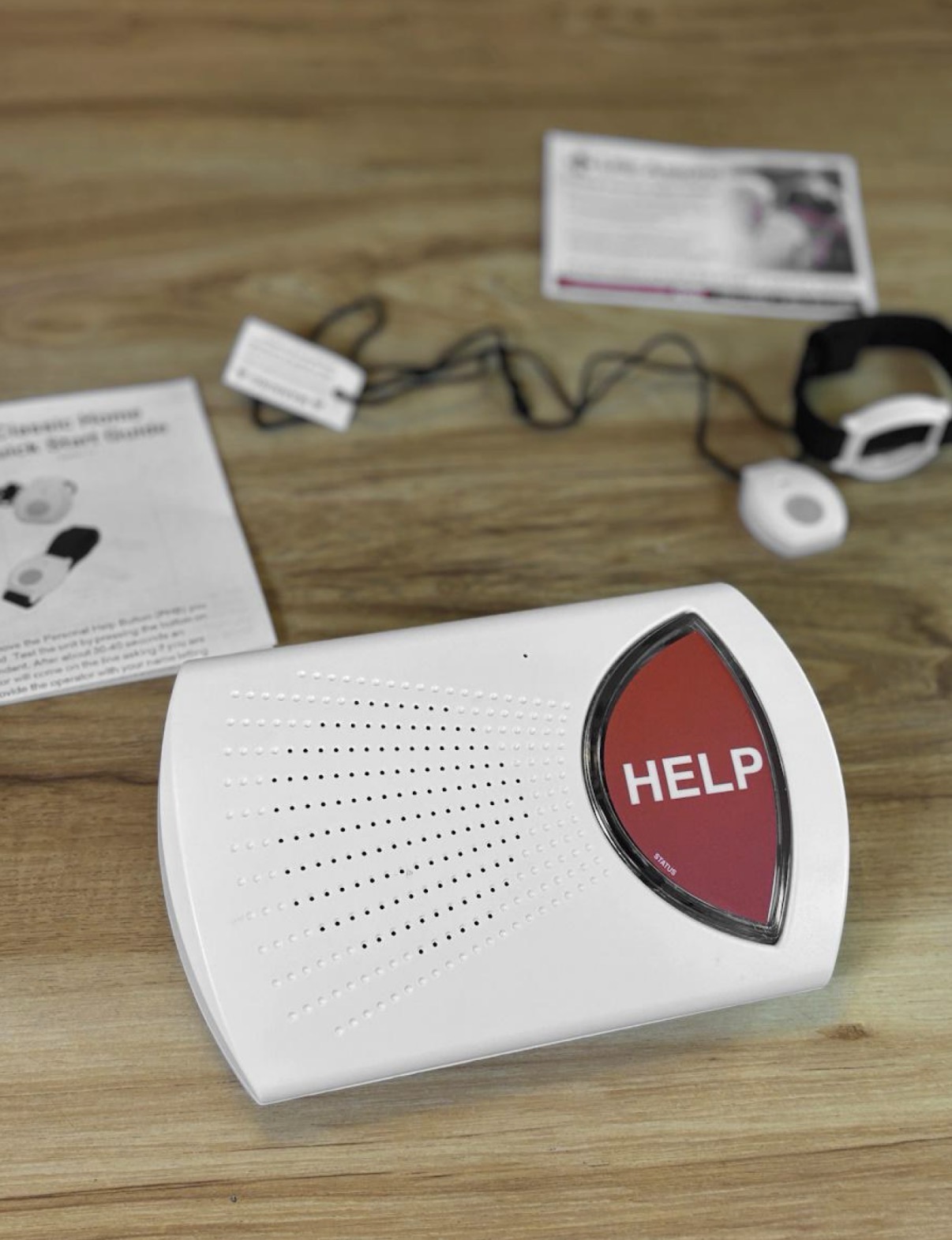
Medical alert systems help older adults call for help fast. A single button can connect a person to a response team. For many families, cost is the first question. Monthly fees, equipment charges, and add-ons can build up quickly. The phrase no fee sounds simple, but it needs a closer look.
Life Assure is a Canadian brand that offers medical alert devices for seniors. Families comparing no fee medical alert options should know what the term really means. A no fee plan usually points to the absence of certain charges, not a free service. The details vary between providers. Reading them early saves money and stress later.
What Does No Fee Actually Cover?
No fee often refers to the removal of specific one-off charges. This can include the equipment fee, the activation fee, and the cancellation fee. A medical alert system is a small device linked to a monitoring centre. With a no fee plan, the customer usually pays a monthly monitoring rate and nothing else upfront.
Some providers loan the equipment at no charge. The device stays their property, and the customer returns it if the service ends. This model keeps the initial outlay low. It suits older adults on a fixed income.
A no fee label should still list what is included. Look for the monthly rate, the monitoring cover, and any warranty. Those three details define the real offer.
How Does the Monitoring Service Work?
A monitoring centre is the heart of any medical alert plan. When the button is pressed, the call routes to a trained operator. The operator speaks to the wearer through the base unit. They then decide whether to alert a family member or emergency services.
Most plans work in one of two ways:
- Home units connect through a landline or a mobile signal.
- Mobile units add GPS, so help can find a wearer outdoors.
A good provider tests the connection during setup. This confirms the signal is strong enough for daily use. It is a small step that prevents big problems later.
Where Do Hidden Costs Usually Appear?
Hidden costs tend to sit in the fine print. A low headline price can grow once extra features are added.
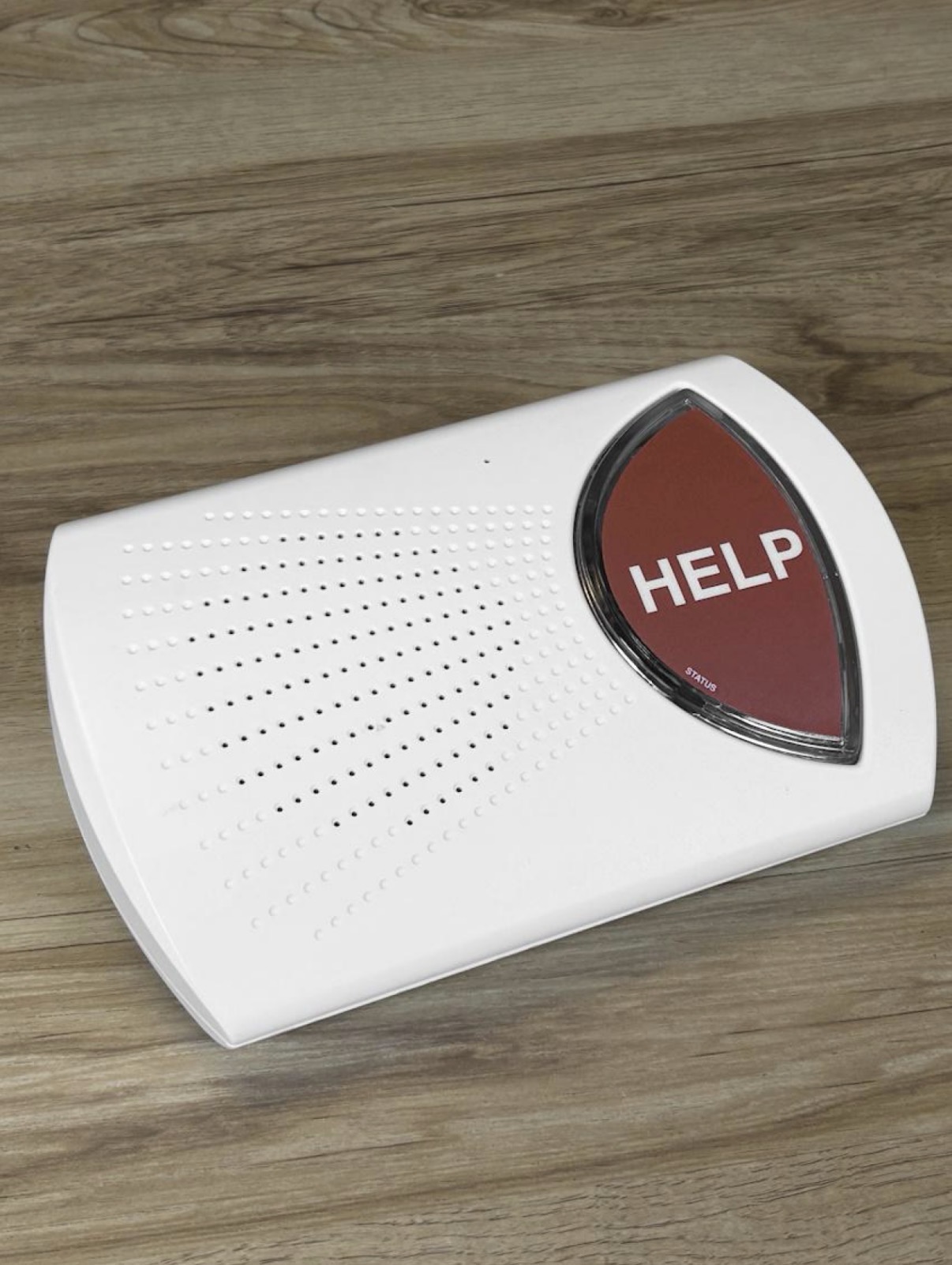
Fall detection is a common example. Many providers charge around 10 pounds per month for this feature. Cover outside the home may also cost more, since it needs a mobile connection.
A monthly rate can also change after a promotional period. Read the renewal terms before you sign. A price that doubles in year two is not a bargain.
Guidance from the NHS on falls prevention is a useful starting point for families. Roughly 1 in 3 adults over 65 has a fall each year. That risk shapes which features are worth the extra cost.
What Should Families Check Before Signing?
A few questions help reveal the true cost of a plan. Ask whether the monthly rate is fixed or promotional. Some low rates rise after the first year.
Check the cancellation terms next. A genuine no fee plan should let a customer cancel without a penalty. Ask about the notice period and any restocking charge for the device.
Local councils can also help with care costs. Families can apply for a needs assessment if extra help is needed at home. This can sit alongside a private medical alert service.
How Do No Fee Options Compare for Value?
Value is about more than the sticker price. A slightly higher monthly rate can include fall detection, faster response, and a longer warranty.
Life Assure positions its no fee plans around this balance. The brand aims to keep upfront costs low while covering the core service. Families should compare the total yearly cost, not just the first month.
Ask whether the price includes a spouse or second wearer. Some plans cover two people for a small extra fee. This can be better value for a couple in the same home.
A useful check is the response time promise. A good monitoring centre answers within seconds. Ask for the average figure in writing before you commit.
Who Benefits Most From These Systems?
No fee plans suit several groups. Older adults living alone gain a fast link to help. People recovering from surgery get short term reassurance.
One community health pilot in East London found many older residents at raised health risk. A quick way to call for help supports independent living. It can also speed up a response when minutes count.
Family carers benefit too. A recent article on support for unpaid carers in London is worth a read for families. Removing the upfront equipment fee makes the service easier to start. A medical alert can also support a safe return home after hospital.
Key Points for Comparing No Fee Plans
- No fee usually means no equipment, activation, or cancellation charge.
- Most no fee plans still carry a monthly monitoring rate.
- Fall detection and mobile cover often cost extra, around 10 pounds more.
- Read the cancellation terms and 30 day notice period with care.
- Compare the full yearly cost, not the first month alone.
- Look for 24/7 monitoring and a fast, written response time.
Matching a Medical Alert System to Your Needs
A no fee plan can be a smart choice for the right household. The label is a starting point, not a guarantee. Focus on the monthly rate, the features, and the exit terms. Life Assure and other providers set these details out clearly when asked. A short comparison now protects both budget and safety later.
FAQ
Are No Fee Medical Alert Systems Really Free?
No. A no fee plan removes certain upfront charges, such as equipment or activation. Most plans still include a monthly monitoring rate. The word free refers to those one-off fees, not the whole service.
Do No Fee Plans Include Fall Detection?
Not always. Fall detection is often an optional add-on. It usually costs a few pounds more each month. Ask the provider whether it is included before you sign up.
Is There a Long Term Contract to Sign?
It depends on the provider. Many no fee plans run month to month. Others ask for a minimum term. Always check the cancellation terms and any notice period.
What Happens if the Device Is Lost or Damaged?
Policies vary between providers. Some replace a faulty unit at no charge under warranty. Others may bill for a lost device. Confirm the replacement policy when you order.