
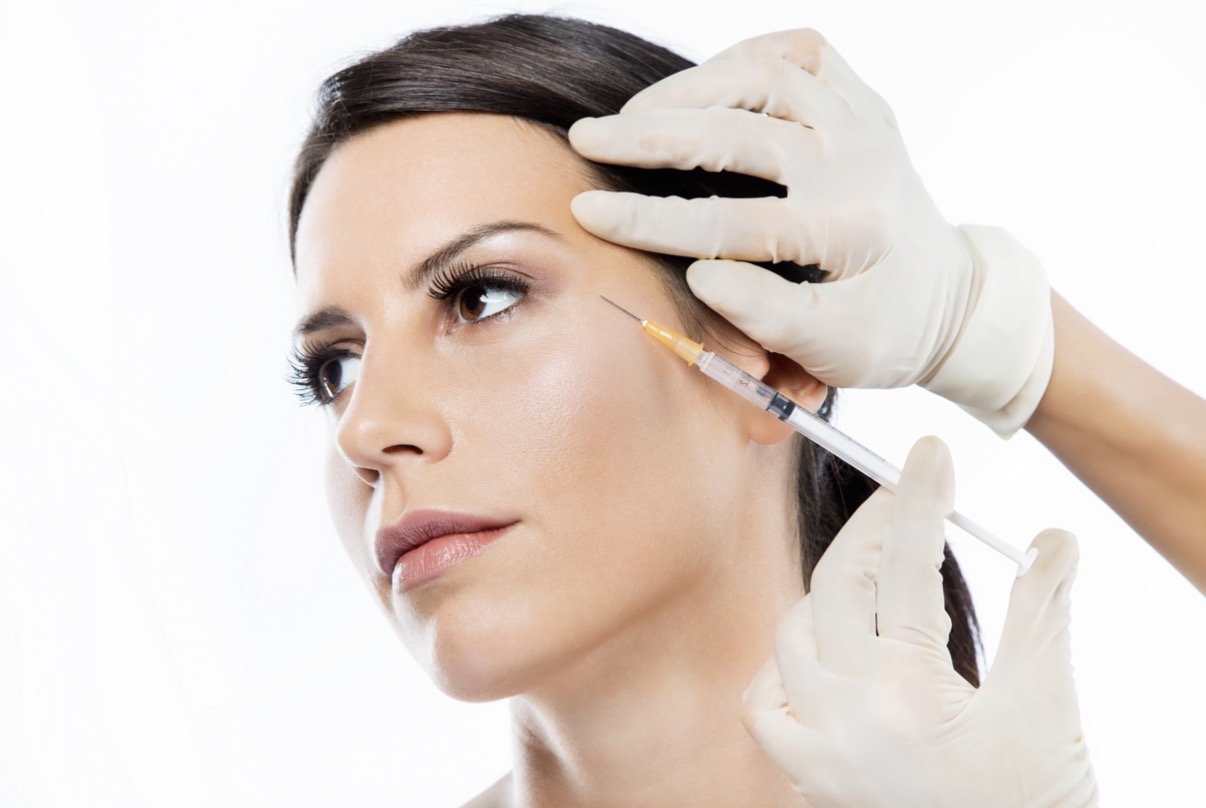
Clinics are struggling to keep up with demand across London. More people than ever are booking quick treatments that do not need surgery. Botox, dermal fillers, skin boosters and thread lifts are now part of many people’s regular routines. They get booked between meetings, school runs and weekend plans.
The city’s appetite for these treatments, widely known as tweakments, keeps growing. Social media, changing beauty standards and short appointment times all play a part. A lunch break is often enough time for a treatment. A full week off work is not needed anymore.
Behind every treatment room sits a professional. Their training and judgement matter just as much as the client experience. As demand grows, so does scrutiny. Practitioners who take their work seriously now treat medical malpractice insurance as a basic safeguard, not an optional extra. It protects both the client and the business behind the needle. This shift towards accountability is quietly changing what it means to run a trustworthy aesthetics practice in the capital.
The Rise of Tweakment Culture in London
The tweakment boom did not happen by chance. A mix of cultural, technological and practical factors pushed these treatments into the mainstream. London, with its dense concentration of clinics and image-conscious professional culture, shows this trend clearly.
A Shift from Surgery to Subtlety
For years, cosmetic enhancement meant a hospital stay. It meant general anaesthetic and weeks away from work. Tweakments offer something different. Changes are subtle and gradual, with little to no downtime. A course of Botox or a skin booster session can be done in under an hour. Most people return straight to their desks afterwards. This lower barrier, in both time and risk, has opened the door to a much wider range of clients. Many of these clients would never have chosen surgery at all.
The Role of Social Media and Convenience
Social platforms have made these conversations normal. They were once kept private. Influencers and everyday users now share their appointments openly. This has stripped away much of the old stigma around cosmetic work. At the same time, London is a dense city. A clinic is rarely more than a short journey away. Many now offer evening or lunchtime slots built around office hours. Convenience and visibility work together well. A once careful decision now feels closer to routine maintenance.
Why Oversight Has Struggled to Keep Pace
However, demand has grown far faster than the rules meant to manage it. In the United Kingdom, non-surgical cosmetic treatments sit in a grey area. Many clients do not fully understand this until something goes wrong.
Who Is Currently Allowed to Offer These Treatments
Botox is a prescription-only medicine. A qualified prescriber must assess a client first. This could be a doctor, dentist or independent nurse prescriber. Dermal fillers work differently. They are not classed as medicines in the same way. There is currently no legal rule requiring the person injecting them to hold any medical qualification at all. Two clinics can offer treatments that look almost identical. Yet the training, insurance and clinical background behind each needle can be worlds apart.
The Gaps That Are Easy to Miss
Training courses for injectables vary hugely in length and depth. Some involve months of supervised clinical practice. Others last a single weekend. Premises are not always required to register with a clinical regulator. This depends on which procedures take place on site. A client browsing websites or social media rarely spots these differences. Marketing language and pricing often look almost the same. This is true no matter who delivers the treatment.
What Responsible Practice Looks Like
Despite the gaps in formal rules, a clear set of standards has emerged. Practitioners who take patient safety seriously tend to follow it closely. More and more, these standards separate a reputable clinic from a risky one.
Recognised Training and Qualifications
Responsible practitioners usually hold a recognised medical or dental background. Or they work closely under someone who does. They also complete specific, accredited training in injectables. Good signs to look for include:
Safe Products, Environments and Consultations
Reputable clinics buy products through licensed, traceable supply chains. They avoid unverified online sellers. A full consultation happens before any treatment begins. This includes a review of medical history and a discussion of realistic outcomes. Informed consent is always obtained first. The treatment space stays clean and suited to clinical work, even when it feels more like a spa than a hospital.
Professional Accountability and Cover
Training and hygiene matter, but what happens afterwards matters, too. Established practitioners generally carry proper professional cover. If a patient has an adverse reaction, or an unsatisfactory result, there is a clear process for handling it. The client is never left without support. This kind of preparation tends to go hand in hand with practitioners who already invest in good training and quality products.
What Londoners Should Check Before Booking
Because clinics can look so similar from the outside, a short amount of research before booking makes a real difference. Before committing to an appointment, it is worth checking:
These questions take only a few minutes to ask. Yet they consistently separate clinics that treat safety as central to their work from those that do not.
Conclusion

Tweakments are unlikely to lose their appeal in London any time soon. The convenience that made them popular is not going away either. What is changing is the level of scrutiny clients are willing to apply before they book. The practitioners who thrive long-term will be the ones who treat training, transparency and accountability as fundamental parts of the job.