
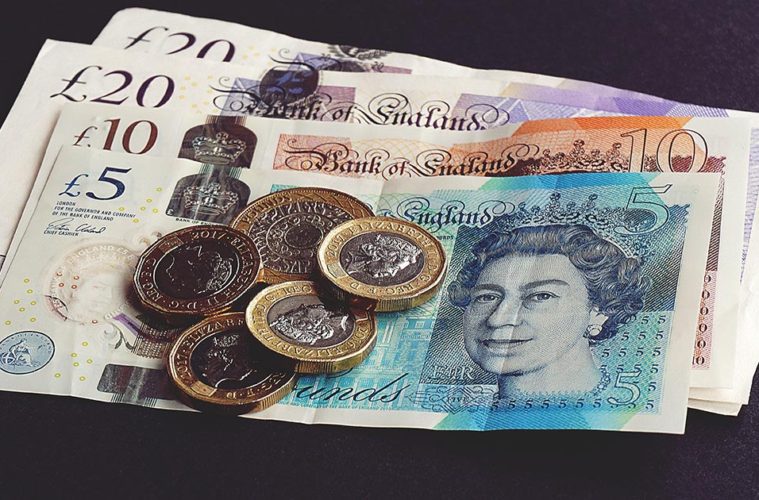
The British high street is changing fast as physical currency slowly disappears from daily transactions. A growing number of independent business owners are choosing to reject notes and coins in favour of digital payments. It’s a choice that alters how independent retail operates in towns and cities across the country. Cash is still far from dead, though, so let’s take a closer look at what’s behind the shift.
The Real Reasons Behind the Cashless Shift
Recent research from LINK, the UK’s ATM and cash access network, shows that 14% of UK high street businesses stopped accepting notes and coins over a single twelve-month period. The figure comes from a survey of 1,116 small and medium-sized firms carried out in September 2025.
The trend is especially noticeable in London, where people are moving away from cash faster than the rest of the country and 58% of those surveyed said they’d been refused cash or discouraged from using it in the capital. Retailers are reacting to a clear shift in public behaviour, but they’re also looking out for their own security.
London’s independent businesses have been at the front of this shift, with smaller shops adopting digital payments not just to keep up with customer habits but to gain access to sales data that cash never provided.
Security and Simplicity Are Driving the Decision
Fraud prevention is the single biggest driver behind the change, cited by 22% of businesses that went cashless. Dealing with counterfeit notes is a constant headache for small shops, and removing physical money takes that risk away. Security concerns came a close second at 21%, because empty tills mean shops are much less attractive targets for break-ins. Staff also enjoy greater peace of mind when they don’t have to carry bags of coins to the local bank branch at the end of the day.
Simpler bookkeeping is another draw, with 19% of cashless businesses pointing to it. When every purchase happens digitally, accounts are updated automatically without human error. It means managers spend less time counting floats and chasing missing receipts, which frees them up to focus on the shop floor instead of the back office.
How Cashless Operations Cut Daily Retail Expenses
The savings from removing notes and coins can be real. Many owners don’t realise how much physical money costs them until they add up the bank fees for cash deposits and the price of secure transport. LINK found that 46% of high street businesses pay over £50 a month just to handle their cash, and 15% pay more than £200 a month. These fees eat directly into thin profit margins, which makes digital processing a more attractive option.
Modern Card Readers Are Rising to the Task
Beyond the direct bank charges, the time saved during end-of-day reconciliation is another boost to efficiency. A modern card reader for businesses can now automate the whole sales tracking process and sync straight with accounting software.
Instead of spending an hour sorting coins and checking register tapes every evening, staff can close up in minutes. The terminal you choose matters here too. A device that syncs with your accounting software and settles quickly means less admin and fewer cash flow gaps at the end of the week.
The Practical Realities of a Card-Only Store
Switching to a digital-only setup is rarely smooth. Retailers often face pushback from regular customers who prefer the familiarity of traditional money. In neighbourhoods outside central London, some shoppers still carry wallets full of notes for their milk and a newspaper. Handling these complaints takes clear communication and patience from staff.
To cut down on friction, many owners use a phased approach rather than a sudden hard cutoff. They might start by making just one register card-only, or by putting up signs that encourage digital payments before removing the cash drawer completely. This step gives loyal customers time to adapt and reduces the risk of losing immediate sales. It also lets the team test their broadband reliability under a heavy load of card transactions.
How Retailers Balance Efficiency and Customer Inclusion
The move towards card-only sales has fed a wider accessibility debate across the UK. In a report published in April 2025, the Treasury Select Committee warned that government inaction on declining cash acceptance could create a “two-tier society”, with the most vulnerable bearing the cost.
It heard directly from groups including elderly people, those with learning disabilities and domestic abuse victims, who said essential goods can cost more as the places that take their cash shrink. MPs went as far as to say it may one day become necessary for the Treasury to force businesses to accept cash if these groups aren’t properly supported.
Cash Isn’t Gone Yet
Worth remembering, though, that cash is holding on. Some 77% of small and medium-sized retailers still accept it, and 46% of in-person transactions are still made in cash. This trend creates fears of a high street where digital consumers get quick service while traditional shoppers find themselves shut out of basic retail options.
Independent retailers have to weigh their wish for efficiency against a sense of responsibility to their local community, which often means looking closely at local demographics before pulling the plug on physical money.
Know Your Customers Before You Pull the Plug
Ditching cash is an attractive option for UK retailers who want to protect their margins and simplify their daily admin. The operational savings and security benefits are clear, but the social impact on vulnerable customers remains a significant consideration. Business owners must weigh these factors carefully so their digital evolution helps the business grow without leaving their loyal community behind.