
The UK is not the kindest place to live in terms of weather. There’s a lot to love about this country, but we do have to deal with a lot of wind and rain, which can take its toll on our homes’ exteriors. But, home exterior design can be used wisely to make it more durable against weather and external forces.
The right paint job, materials, door selection and moisture management, among other things, are all valuable facets that can make your home’s facade more sturdy against the elements. This article will offer guidance on how to incorporate designs to strengthen your home from the outside.
Making sure your exterior materials are correct
You should make sure that all of the elements of a modern house exterior are crafted from durable materials.
- Exterior cladding for houses should be made from zinc or aluminium as they’re self-healing for up to 60+ years with zero maintenance
- Domestic fire doors should be tested to high fire-resistance standards, as well as overall thermal performance ratings
- Engineered stone veneer is great for getting the look of natural stone in a more lightweight fashion, with better drainage planes
- Fibre cement siding mimics the look of wood, but is also fire-resistant and rot-proof, as well as not expanding or contracting like timbre
- Composite decking or fencing (or even doors) won’t splinter or fade, and won’t require annual staining
- Choosing home exterior paint with high ratings that won’t chip or fade against the elements
Picking quality materials is vital for every element of your house exterior design, as even the best layout won’t last with low-quality materials.
Smart moisture management
Water is public enemy number one when it comes to your home’s exterior. Durable designs aren’t all about keeping water at bay; they’re about understanding how it will get in and how to get it out.
- Creating a rainscreen system. This means crafting a small gap of around 19mm between your siding and the water barrier of your home. By creating a ventilation space, you allow air to circulate and dry out moisture behind the cladding.
- Oversized gutters. Big, seamless aluminium or copper gutters won’t leak or overflow, making for a more moisture-proof exterior.
Keeping foundation issues and stained walls at bay is the name of the game, so make sure you manage moisture cleverly.
Overhang is important
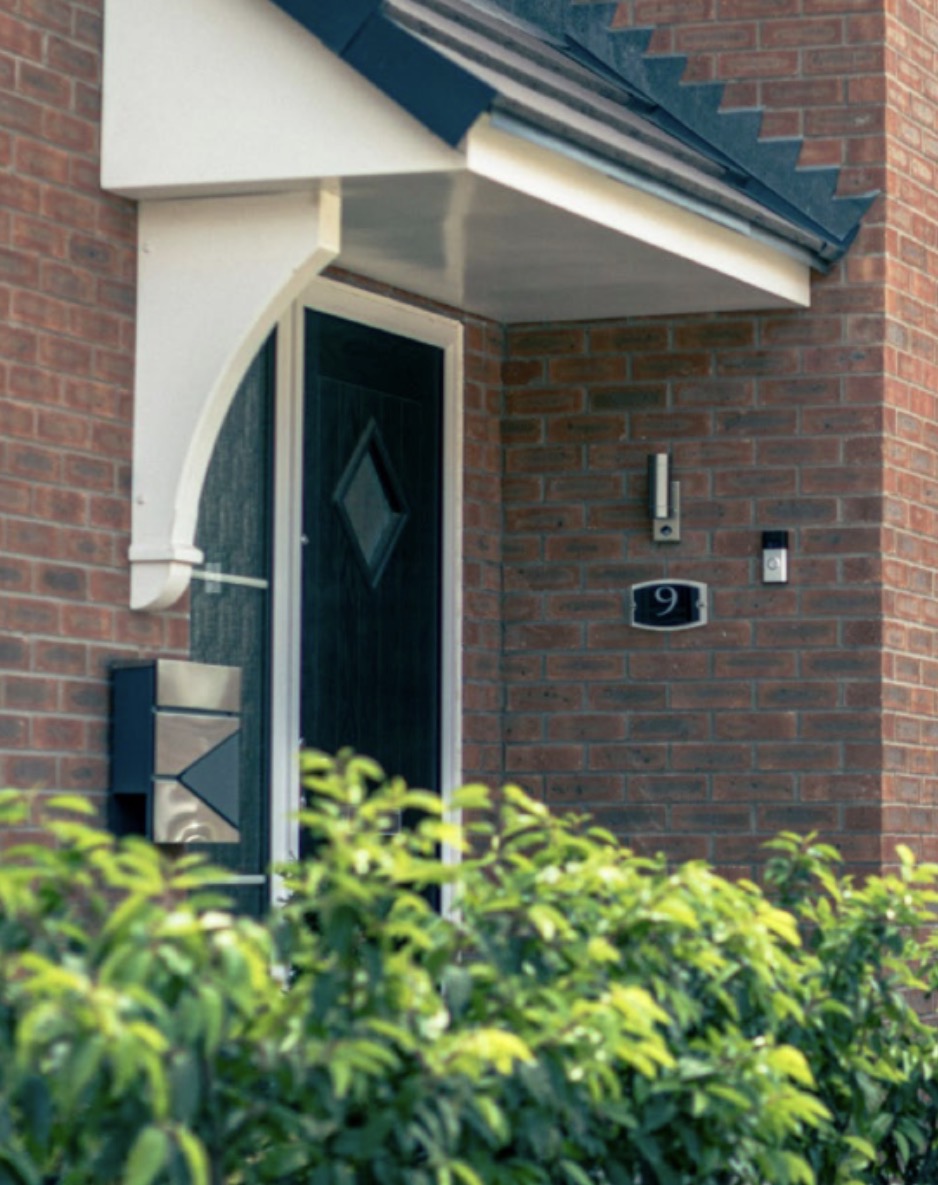
Minimalist architecture is very popular these days, which often leads to a lack of proper roof eaves. It’s important to have some sort of overhang from the roof, ideally a fairly wide one, as this will protect the siding and windows from rain and harsh sunlight. Similarly, window sills should have sufficient drip edges to make sure water falls away from the house rather than trickling down the facade.
Understanding colour and heat absorption
Of course, much of this article has been focused on protecting property from rain. But, it’s also vital to remember just how damaging excessive UV exposure can be to your house’s exterior.
Dark colour schemes in home exterior painting absorb more heat, which can degrade materials like vinyl or wood. If you want to maintain that dark look on the outside of your home, use materials that are designed to handle it, such as charred timbre or even Shou Sugi Ban. You can also use cool-roof technology paints that reflect infrared light.
Ensure that your exterior is up to scratch
So many people put all the emphasis on creating the perfect interior design scheme, but it’s equally important to take home exterior design seriously in a different way. Beyond aesthetics, you need to consider durability as a priority. Creating a strong, stable property is essential for long-term value and keeping repairs at bay.