London is currently having a retro wave. The city has fallen back in love with the styles, sounds, and aesthetics of the decades that have passed.
It’s more than just a passing fashion moment as well. We’re seeing it everywhere. Throwback club nights, nostalgia-driven entertainment, and more.
Retro Fashion Leads the Way
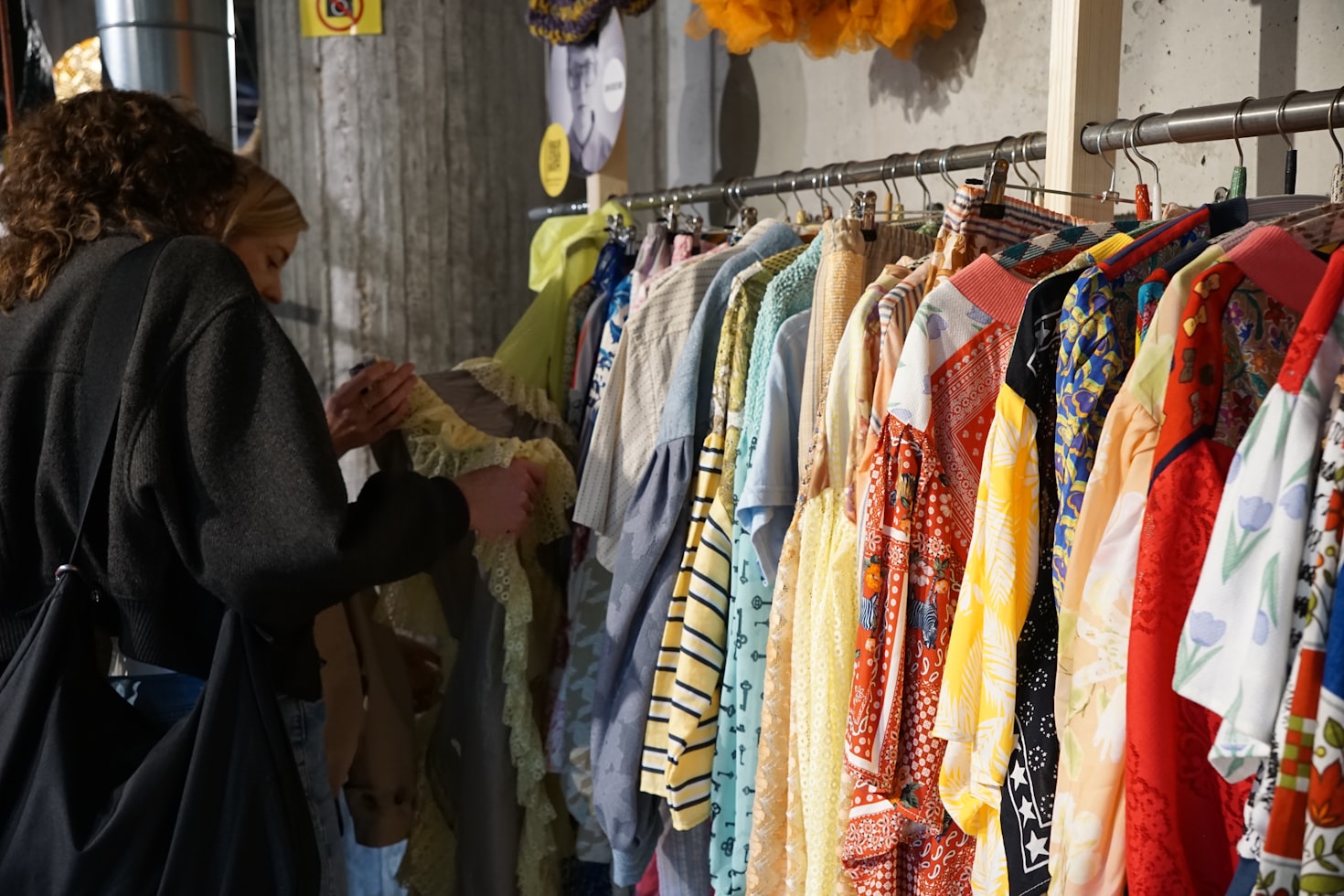
The most notable trend of retro culture is fashion. Walk down any London street, and you’ll see retro-inspired clothing. Second-hand shops in Shoreditch and Brick Lane are full of this type of clothing as well.
Denim is coming back. Low-rise jeans are oddly back, too. Vintage sportswear and general statement pieces from the 1990s and early 2000s are back after fading out in the mid-2000s, too.
Portobello Road in Notting Hill is a cultural hub for such clothing. Shops like Rokit and Beyond Retro really carry the retro culture on their back. They may even be a part of the reason it’s making a comeback in the city.
Retro Beyond Fashion
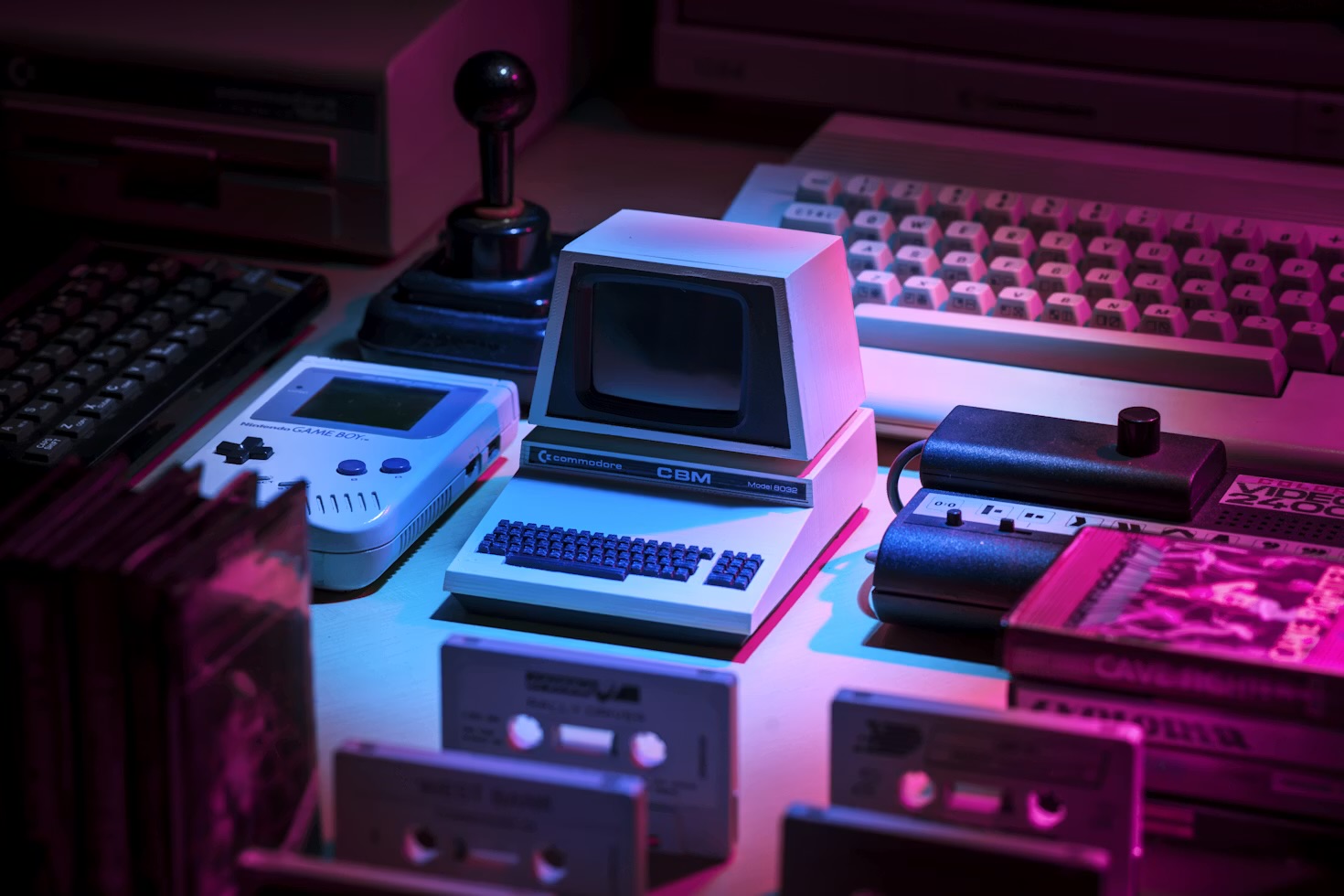
Clothing isn’t the only thing going retro. Vintage homeware has become a fixture of London interiors. Throwback events have been taking off as well; 70s and 80s disco nights at Brockley’s Rivoli Ballroom seem to be popular nowadays.
The retro revival has even started to shape the games we play. Developers have leaned into nostalgia to create titles that feel familiar rather than new. The Double Bubble slot game by Roxor Gaming is a good example. It’s built around a vintage fruit-machine aesthetic with traditional bells, bars, and fruit symbols, just how the “classics” were designed.
In the broader gaming world, studios have started to revive some of the beloved classics. During Summer Game Fest alone, 20 remasters/remakes were announced or shown off. It just goes to show that gaming fans are seeking retro-inspired games rather than new releases.
Why Nostalgia Is Resonating Now
It’s a familiar pattern if anything. Fashion tends to move on a roughly 20-year cycle. That puts the early 2000s right on schedule for revival.
However, it’s gone a step further. The retro culture isn’t just about clothing. It’s big business across entertainment, with businesses and developers creating retro-inspired experiences.
People of London have taken a liking to it as well. It seems like people in their late 20s are grabbing onto a culture they once wished they got to experience, something they may have watched their parents be part of.
What’s Next for London’s Retro Scene
If current momentum is any guide, retro culture in London shows zero signs of slowing down.
How long it will last is another question. The 20-year nostalgia cycle suggests the styles of the 2010s will eventually have their turn as well. But will it compete with the late 90s or early 2000s? That’s something many would like to know.
For now, though, the city seems to be expanding as it pleases. Some trends stick, some die. However, many people are happy that retro culture is back, and if anything, many want it to stay.